Evaluating Ghoul Scratch: A Practical Guide to Halloween Typography
When designing for the autumn season, particularly for Halloween, typography often carries as much weight as imagery. The right typeface can instantly establish a mood, ranging from eerie and ominous to playful and festive. Ghoul Scratch has emerged as a prominent choice in this niche, offering a distinct aesthetic that blends decorative flair with thematic specificity. For designers, marketers, and hobbyists aged 20 to 50 who are weighing options for seasonal campaigns or personal projects, understanding the specific utility of this font is essential. This guide examines what makes Ghoul Scratch unique, how it compares to broader typographic categories, and when it serves as the optimal solution versus when other resources might be more appropriate.
Defining the Aesthetic of Ghoul Scratch
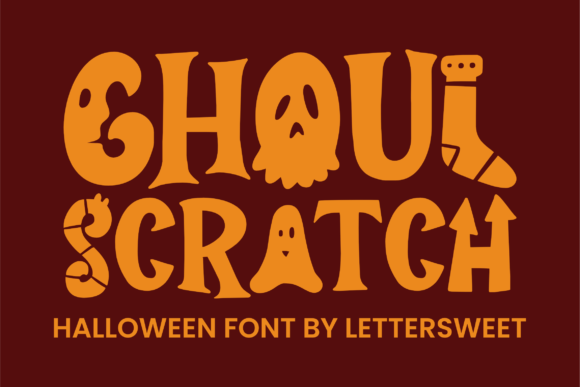
Ghoul Scratch is not merely a standard display font; it is a character-driven design intended to evoke the spirit of Halloween through its very structure. The letterforms are bold and highly decorative, incorporating motifs that go beyond simple serifs or swashes. Distinctive features include integrated ghost faces, spider webs, and other spooky elements that transform each character into a small illustration. This approach creates a texture that is immediately recognizable as part of the Halloween genre.
The visual impact of Ghoul Scratch relies heavily on contrast. The font is typically rendered in a vibrant orange against dark backgrounds, a color pairing that mimics the traditional iconography of pumpkins and night skies. This high-contrast combination ensures legibility even at smaller sizes while maintaining the "eye-catching" quality required for posters and invitations. However, the intricacy of the design means that the font functions best as a headline or title element rather than body copy. The density of the decorative details can become visually noisy if used for long paragraphs, potentially hindering readability.
Key Visual Characteristics
- Integrated Motifs: Characters contain embedded imagery like ghosts and bats, reducing the need for additional clip art.
- Bold Weight: The thick strokes ensure visibility in print and digital formats alike.
- Color Dependency: While available in various colors, the design is optimized for high-contrast pairings, specifically orange on black.
- Display Focus: Best suited for short phrases, titles, and logos rather than extended text blocks.
Comparing Ghoul Scratch to Traditional Horror Fonts
In the realm of seasonal typography, there is a spectrum of styles ranging from the genuinely terrifying to the lighthearted. To make an informed decision, it is helpful to compare Ghoul Scratch against these broader categories. Many horror-themed fonts aim for a gritty, distressed, or blood-dripping aesthetic designed to unsettle the viewer. These alternatives prioritize fear and tension, making them suitable for thriller movie posters or haunted house signage where the goal is intimidation.
Ghoul Scratch, by contrast, leans heavily into the "playful" end of the spectrum. The inclusion of cute ghost faces and whimsical flourishes suggests a tone that is celebratory rather than frightening. This distinction is crucial for event planning. If you are organizing a children's party, a community trick-or-treat event, or a corporate Halloween gathering, the aggressive nature of a "scary" font might be too intense. Ghoul Scratch offers a middle ground that acknowledges the holiday's spooky roots without alienating audiences who prefer a lighter atmosphere.
Furthermore, when compared to generic script fonts often used for invitations, Ghoul Scratch provides immediate thematic context. A standard elegant script requires the addition of images to convey the holiday theme, whereas Ghoul Scratch communicates the message through the type itself. This efficiency can streamline the design process, allowing creators to focus on layout and color harmony rather than sourcing supplementary graphics.
Strengths and Tradeoffs in Design Applications
Every design tool comes with inherent strengths and limitations, and Ghoul Scratch is no exception. Its primary strength lies in its ability to serve as a complete visual package for headlines. Because the letters themselves act as illustrations, they can reduce the cognitive load on the designer. You do not need to hunt for separate icons to decorate a flyer; the font does the work. This makes it an excellent resource for quick-turnaround projects, such as social media graphics, email headers, or last-minute party invitations.
However, there are tradeoffs to consider regarding versatility. The heavy decoration limits the font's adaptability across different mediums. In low-resolution digital environments, the fine details of the ghost faces may blur or pixelate, diminishing the effect. Similarly, in print applications, the intricate lines require high-quality printing methods to maintain crispness. If a project involves cutting vinyl for decals or using stencil techniques, the internal details of Ghoul Scratch could present technical challenges, potentially requiring simplification or alternative execution methods.
Another consideration is longevity. Trend-specific fonts like Ghoul Scratch are often tied tightly to a single cultural moment. While effective for October, the font may feel dated or out of place if used outside of the Halloween season. Designers aiming for evergreen branding should use this typeface sparingly, perhaps only for seasonal sub-campaigns, to avoid diluting their core brand identity with temporary aesthetics.
Decision Factors: When to Choose Ghoul Scratch
Determining whether Ghoul Scratch is the right choice depends largely on the specific goals of your project and the audience you intend to reach. It is the ideal option when the objective is to create an instant festive atmosphere with minimal effort. If you need a headline that screams "Halloween" within seconds of being viewed, this font delivers that promise effectively.
Consider using Ghoul Scratch in the following scenarios:
- Event Invitations: For parties, school events, or community gatherings where a fun, non-threatening vibe is desired.
- Promotional Posters: Retail displays or flyers for seasonal sales that need to grab attention quickly.
- Social Media Content: Short captions or story overlays where visual impact outweighs the need for extensive text.
- Kids' Materials: Coloring pages, activity sheets, or educational materials where the playful aspect is a priority.
Conversely, there are situations where opting for an alternative is wiser. If your project requires a serious, cinematic, or genuinely scary tone, Ghoul Scratch may undermine the intended mood due to its whimsical elements. Additionally, if the design requires significant amounts of body text, a simpler sans-serif or serif font paired with Halloween imagery would offer better readability. Finally, if the project involves complex production methods like laser cutting or embroidery, a font with cleaner lines and fewer internal details would be more practical.
Practical Implementation Tips
To maximize the effectiveness of Ghoul Scratch, pairing it with complementary design elements is key. Since the font is already visually busy, the surrounding layout should remain relatively clean. Use ample white space (or negative space in dark designs) to let the letterforms breathe. Avoid overcrowding the design with additional clip art, as the font already contains sufficient graphical interest.
Color selection is another critical factor. While the classic orange-and-black combination is a staple, experimenting with deep purples, neon greens, or slate grays can offer a modern twist while maintaining the spooky theme. However, always ensure that the contrast ratio remains high enough for accessibility. Text must be legible for all viewers, regardless of visual acuity.
Finally, test your designs across different devices before finalizing. Check how the intricate details of the ghost faces render on mobile screens versus desktop monitors. If the details are lost on smaller screens, consider adjusting the size of the text or simplifying the background to ensure the message remains clear.
Conclusion on Selection Strategy
Ghoul Scratch represents a specialized tool within the broader toolkit of Halloween design resources. It excels in creating bold, playful, and immediately recognizable visuals for seasonal projects. By understanding its distinct characteristics—specifically its decorative integration and playful tone—designers can make strategic decisions about its application. While it is not a universal solution for every horror-themed project, it fills a specific niche for those seeking a balance between spookiness and festivity. Evaluating your project's specific needs against the font's strengths and limitations will ensure that your final design resonates effectively with your target audience.