Master Horror: A Practical Guide to Integrating a Playful Halloween Font into Your Design Workflow
In the landscape of digital and print design, typography often serves as the silent architect of tone. While many designers reach for standard serif or sans-serif typefaces to ensure legibility, there are moments when a project demands a specific character that bridges the gap between spooky and charming. This is where Master Horror enters the creative process. As a cool Halloween display font, it embodies playfulness and authenticity, making it an essential asset for professionals looking to inject personality into their work without sacrificing readability. Whether you are a marketer planning a seasonal campaign, a blogger drafting a holiday post, or a small business owner designing invitations, understanding how to integrate this typeface effectively can streamline your workflow and elevate the final outcome.
Defining the Role of Master Horror in Creative Planning
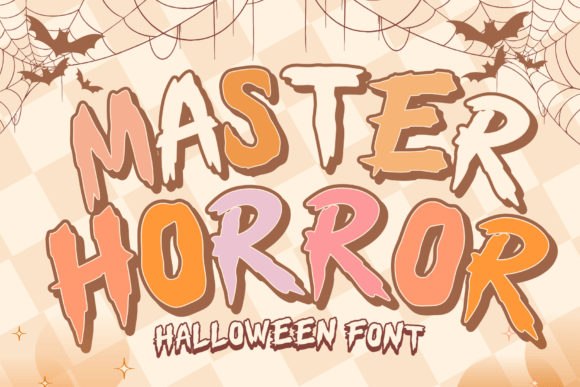
Before downloading any new asset, it is crucial to understand where it fits within your broader design strategy. Master Horror is not a utility font meant for body copy; it is a display typeface designed to grab attention. In the planning phase of any project, such as a blog post about autumn recipes or a branding refresh for a local bakery, the choice of typography should align with the intended emotional response. This font offers a unique blend of traditional horror aesthetics with a modern, approachable twist. It avoids the overly aggressive or jagged edges often found in generic scary fonts, opting instead for a style that feels authentic yet fun.
When evaluating your project requirements, consider the timing of your implementation. If you are working on a long-term branding initiative, Master Horror might serve as a seasonal accent rather than a primary logo element. However, for short-term campaigns like Halloween ads, greeting cards, or event decorations, it can take center stage. The key is to recognize its versatility early in the decision-making process. By identifying the specific need—whether it is to create a sense of mystery for a photo album cover or to add a festive touch to a planner layout—you can determine if this font is the right tool for the job before committing resources to the design execution.
Integrating Master Horror into Professional Workflows
Once the decision to use Master Horror has been made, the focus shifts to integration. How does this font interact with other tools, platforms, and assets in your daily routine? For freelancers and entrepreneurs, efficiency is paramount. The workflow begins with compatibility checks. Ensure that the file format (usually OTF or TTF) works seamlessly with your preferred design software, whether it is Adobe Illustrator, Canva, Photoshop, or even Microsoft Word for quick document drafts. Most modern operating systems support these formats natively, but verifying this step prevents technical friction later in the process.
After installation, the next step involves pairing. A common pitfall in design workflows is over-reliance on a single decorative font. To maintain quality control, pair Master Horror with a clean, neutral sans-serif or serif typeface for body text. This combination ensures that while the headers or logos capture the playful Halloween spirit, the supporting content remains legible and professional. For example, if you are designing a flyer for a community trick-or-treat event, use the font for the main title "Spooky Night" and a simple font for the time, location, and safety guidelines. This balance enhances usability and ensures the message is communicated clearly to your audience.
For bloggers and content creators, the integration process also extends to web optimization. When using this font on a website, consider loading performance. Web-safe versions or SVG formats may be necessary to prevent slow load times, which can negatively impact user experience and SEO rankings. By testing the font across different devices and browsers during the development phase, you ensure that the visual appeal translates consistently from desktop to mobile. This attention to detail reflects a commitment to quality and demonstrates an understanding of the technical constraints inherent in digital publishing.
Practical Use Cases Across Industries
The adaptability of Master Horror makes it suitable for a wide range of applications beyond simple decoration. Let us explore how different professionals can leverage this asset to meet specific goals.
- Branding and Logos: Small business owners in the retail or entertainment sectors can use this font to create memorable logos for seasonal pop-up shops or limited-edition product lines. The playful nature of the typeface helps brands appear friendly and accessible, even when dealing with themes traditionally associated with fear.
- Marketing and Advertising: Marketers can incorporate the font into social media graphics, email headers, and ad banners. Its distinct shape stands out in crowded feeds, increasing click-through rates for Halloween-themed promotions. The authenticity of the design resonates well with audiences aged 20–50 who appreciate high-quality, non-cliché visuals.
- Print Media and Stationery: Designers creating greeting cards, invitations, or planners can utilize the font to add a personal touch. For instance, a wedding planner organizing a "haunted mansion" themed reception can use Master Horror for the invitation suite, ensuring the theme is established immediately upon opening the envelope.
- Personal Projects and Decorations: Hobbyists and educators can apply the font to photo albums, classroom decorations, or DIY home decor. Its readability allows it to be used on larger surfaces like banners or signs without becoming illegible, making it a practical choice for physical environments.
Optimizing Execution and Long-Term Usability
Successful implementation goes beyond simply selecting a font; it requires a strategic approach to organization and consistency. When managing multiple projects, maintaining a library of approved assets is vital. Store the Master Horror files in a dedicated folder within your cloud storage or local drive, tagged clearly for easy retrieval. This organizational habit saves time during future projects and ensures that team members have access to the correct version of the asset.
Furthermore, consider the longevity of your designs. While the font is perfect for Halloween, its playful aesthetic can sometimes extend into autumnal themes or general whimsical projects. However, it is important to exercise restraint. Overusing decorative fonts can dilute their impact and make a brand feel disjointed. Establish clear guidelines for when and how to use Master Horror. Perhaps it is reserved strictly for Q4 marketing materials or specific client requests. By setting these boundaries, you maintain the specialness of the font and ensure it continues to deliver high-quality results whenever it is deployed.
Quality control is another critical factor. Before finalizing any design, review the kerning and spacing. Display fonts often require manual adjustments to look their best, especially at large sizes or in tight layouts. Take the time to tweak letter spacing so that the characters do not collide or drift too far apart. This level of attention to detail separates amateur work from professional output. It demonstrates a mastery of the craft and ensures that the final product meets the expectations of clients and audiences alike.
Enhancing Collaboration and Decision Making
In collaborative environments, such as agencies or creative teams, introducing a new font like Master Horror requires communication. When presenting options to stakeholders, explain the rationale behind the choice. Highlight how the font's playfulness and authenticity align with the project's objectives. Provide mockups showing the font in context—on a logo, a blog header, or a business card—to help decision-makers visualize the potential outcomes.
This proactive approach facilitates smoother approvals and reduces the back-and-forth often associated with creative revisions. By grounding the discussion in practical benefits and workflow integration, you position the font not just as a stylistic preference, but as a strategic asset. Additionally, sharing usage tips with colleagues can foster a culture of continuous learning. Discussing how to pair the font, where to source it, and how to optimize it for different mediums adds value to the entire team's skill set.
Conclusion: Elevating Your Design Process
Master Horror represents more than just a collection of letters; it is a tool for storytelling and brand differentiation. By understanding its characteristics and integrating it thoughtfully into your workflow, you can enhance everything from blog posts and logos to invitations and decorations. The key lies in preparation, compatibility, and consistent application. Whether you are a seasoned designer or a hobbyist looking to improve your projects, adding this font to your toolkit offers a reliable way to achieve authentic, playful results. Embrace the process of experimentation, respect the limitations of display typography, and enjoy the creative freedom that comes with having the right resource at your fingertips.