Evaluating the Secret Santa Font for Holiday Design Projects
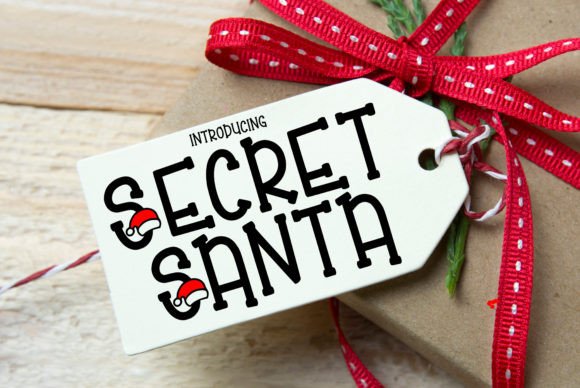
When selecting typography for seasonal branding or personal holiday projects, the choice of font often dictates the emotional tone of the entire design. The Secret Santa typeface has emerged as a specific solution for designers and hobbyists seeking a whimsical, narrative-driven aesthetic. Unlike standard serif or sans-serif options that rely on structural neutrality, this font integrates thematic elements directly into the letterforms. Specifically, each character is adorned with an adorable Santa hat, creating an immediate association with Christmas cheer. For adults managing office parties, family gatherings, or small business promotions, understanding where this font fits within the broader landscape of typographic tools is essential for making an informed decision.
Defining the Distinctive Characteristics of Secret Santa
The primary differentiator of the Secret Santa font is its illustrative nature. In traditional typography, the goal is often legibility and consistency across various media. However, this typeface prioritizes atmosphere over strict uniformity. The inclusion of a Santa hat on every letter transforms text from mere information delivery into a visual decoration. This makes it distinct from generic "holiday" fonts that might simply use red ink or snowflake ligatures. Instead, the hats are integral to the glyph structure, meaning they appear automatically as you type, without requiring manual image insertion.
This font offers full uppercase and lowercase alphabets, numbers, punctuation, and multilingual support. This comprehensive character set allows for versatility that many decorative scripts lack. A designer can write a complete sentence, a price tag, or a complex address without breaking the visual theme. The balance between the playful hats and the underlying readable structure ensures that while the design is festive, it remains functional for short-form communication like gift tags or invitation headers.
Comparing Thematic Fonts Against Neutral Alternatives
When evaluating resources for holiday design, users often face a choice between highly thematic fonts like Secret Santa and more neutral, versatile typefaces. Neutral fonts, such as standard serifs or clean sans-serifs, offer maximum flexibility. They allow the user to control the mood through color, layout, and accompanying graphics rather than relying on the font itself. This approach is often preferred for corporate communications where brand consistency must remain intact even during the holidays.
In contrast, the Secret Santa font does the heavy lifting of establishing the mood immediately. If a project requires a jolly vibe with minimal design effort, this font is superior to a neutral option paired with clip art. However, the tradeoff is reduced adaptability. A font with built-in illustrations cannot be easily repurposed for non-holiday contexts. If a client needs a template that can be used for a winter sale in January but also for a spring event, a neutral font is the more practical long-term investment. The decision here hinges on whether the design is a one-off festive creation or part of a recurring, multi-seasonal brand strategy.
Strengths and Limitations in Professional Contexts
For professional advisors and creative directors, the strengths of the Secret Santa font lie in its ability to convey personality quickly. It is particularly effective for internal company culture initiatives, such as a Secret Santa party invitation, where the goal is to foster fun and community. The whimsical touch lowers barriers to engagement and sets an expectation of lightheartedness. Furthermore, the multilingual support expands its utility for diverse teams or international audiences, ensuring that the festive spirit is communicated regardless of the language used.
However, limitations exist regarding readability at smaller sizes. Decorative elements like hats can clutter dense blocks of text, making them difficult to read on mobile screens or printed on small gift tags. Therefore, this font should be reserved for headlines, pull quotes, or short phrases rather than body copy. Additionally, the strong thematic association means it may clash with sophisticated or minimalist design aesthetics. If a brand identity relies on elegance and understatement, the overt playfulness of this font could undermine the intended message. Evaluators should consider the target audience's expectations; what feels charming to a family group might feel unprofessional to a formal corporate board.
Best-Fit Situations for Seasonal Typography
Determining when Secret Santa is the right choice requires analyzing the specific goals of the project. It excels in scenarios where the primary objective is to evoke nostalgia and joy. For instance, creating physical gift tags for a neighborhood exchange benefits immensely from the font's character. The visual cue of the hat reinforces the purpose of the item before the recipient even reads the name. Similarly, digital invitations for casual holiday parties utilize the font to instantly communicate the event's tone, reducing the need for excessive explanatory text.
The font is also well-suited for seasonal branding campaigns for small businesses that want to appear approachable and community-focused. A local bakery or boutique using this font on social media graphics or window signs can effectively signal that they are participating in the holiday spirit. The full range of numbers and punctuation supports practical applications, such as listing prices or dates, without sacrificing the festive aesthetic.
Conversely, there are situations where another option is necessary. Formal holiday newsletters, legal notices, or high-end luxury marketing materials generally require a more restrained typographic approach. In these cases, the illustrative nature of Secret Santa may distract from critical information or dilute the brand's premium positioning. Users should also avoid this font if the design already contains heavy graphical elements; combining a busy background with a hat-adorned font can result in visual noise that reduces overall impact.
Decision Factors for Selecting Holiday Resources
When comparing options for holiday design, several factors influence the final selection beyond mere aesthetics. First, consider the medium of delivery. A font that looks excellent on a large printed poster may lose clarity when rendered on a smartphone screen. The intricate details of the Santa hats in the Secret Santa font need sufficient white space to breathe. Second, evaluate the longevity of the asset. Is this design a temporary campaign, or will it be archived and reused? If reuse is unlikely, the specialized nature of this font is an advantage. If the design needs to evolve, a more modular approach using neutral fonts and separate graphic assets might be safer.
Budget and licensing are also practical considerations. While many decorative fonts are available for free, professional-grade versions with full multilingual support and extended character sets often come with licensing fees. Ensuring that the chosen resource includes the necessary glyphs for your specific language requirements is crucial to avoid technical issues later. The Secret Santa font's inclusion of a full alphabet and punctuation marks addresses many common pain points found in cheaper, limited-license alternatives.
Practical Application Examples
To illustrate the practical application, imagine a team organizing an annual office Secret Santa exchange. Using a standard font for the invitation might require adding images of gifts or trees to make it look festive. By switching to the Secret Santa font for the title and key details, the design achieves the same festive look with fewer assets, streamlining the production process. The result is a cohesive document where the text itself contributes to the decoration.
Alternatively, consider a retailer designing a "Holiday Sale" banner. If the sale is strictly about discounts, a bold, high-contrast sans-serif might be more effective for readability. However, if the sale is framed as a "Gift Guide" or a "Winter Wonderland" event, the Secret Santa font adds a layer of storytelling that aligns with the marketing angle. The decision ultimately rests on whether the priority is rapid information transfer or emotional engagement.
Conclusion on Typographic Selection
Selecting the right font for holiday projects involves balancing creativity with functionality. The Secret Santa font offers a unique blend of whimsy and utility, providing a ready-made festive atmosphere for those willing to embrace its distinctive style. Its full character set and multilingual capabilities make it a robust tool for a variety of applications, from personal cards to small business promotions. However, its specialized nature means it is not a universal solution. By carefully weighing the project's goals, audience expectations, and design constraints, users can determine if this playful typeface is the ideal fit or if a more neutral alternative serves their needs better. Ultimately, the best choice is the one that effectively communicates the intended message while enhancing the overall visual experience.