Smoke: An Elegant Display Typeface for Modern Design
In the crowded landscape of digital typography, finding a font that balances sophistication with versatility is often a challenge. Smoke emerges as a standout solution, offering an elegant and delicate aesthetic that immediately captures attention without overwhelming the viewer. This display typeface is not merely a collection of characters; it is a design tool crafted to elevate branding, editorial layouts, and personal projects alike. Whether you are a seasoned graphic designer or a small business owner looking to refine your visual identity, Smoke provides the refined touch needed to make your work stand out.
The Distinctive Character of Smoke
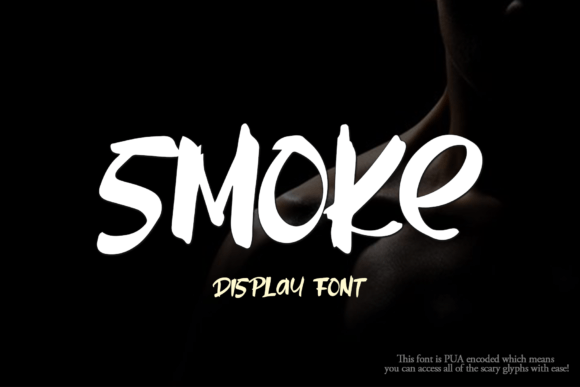
At its core, Smoke is defined by its fluidity and grace. Unlike heavy, blocky sans-serifs or rigid traditional serifs, this font mimics the organic movement of smoke itself—light, airy, yet structured enough to remain legible in specific contexts. The strokes vary in weight, creating a dynamic rhythm that guides the eye naturally across the text. This characteristic makes it particularly effective for headlines, logos, and short phrases where visual impact is more critical than dense information density.
What truly sets Smoke apart from other display fonts is its technical architecture. It is PUA encoded, which stands for Private Use Area. In practical terms, this means the font file contains a vast library of glyphs, alternates, and stylistic variations that are accessible directly through standard mapping methods. You do not need complex scripts or external plugins to unlock these features. With just a few keystrokes, designers can swap standard characters for unique ligatures, decorative swashes, or entirely different character forms. This level of customization allows for a high degree of originality, ensuring that no two designs using Smoke look exactly the same.
Why PUA Encoding Matters for Creatives
For professionals who value efficiency and flexibility, the PUA encoding in Smoke is a game-changer. It eliminates the friction often associated with managing multiple font files or manually drawing custom elements. When you are working on a tight deadline for a client presentation or a social media campaign, having immediate access to hundreds of alternate glyphs streamlines the workflow. You can experiment with different combinations instantly, testing how a specific flourish changes the mood of a logo or how a unique numeral affects the hierarchy of a poster. This accessibility encourages experimentation, pushing creators to explore styles they might otherwise overlook due to technical limitations.
Practical Applications Across Industries
The versatility of Smoke extends far beyond a single niche. Its delicate nature makes it suitable for a wide range of applications, provided it is used with intention. Below are several key areas where this typeface excels, along with practical strategies for implementation.
- Logos and Branding: For brands in the beauty, wellness, fashion, or luxury sectors, Smoke offers a premium feel. A logo utilizing this font suggests refinement and exclusivity. To maintain clarity, pair Smoke with a clean, neutral sans-serif for body text. This contrast ensures the brand name pops while keeping secondary information readable.
- Social Media Posts: In the fast-scrolling environment of Instagram or Pinterest, visuals must stop the thumb. Using Smoke for overlay text on lifestyle photography creates an immediate emotional connection. Try using the alternate glyphs to create a monogram effect or to highlight a key word in a quote graphic.
- Wedding Invitations: The romantic and airy quality of Smoke is perfect for nuptial stationery. It works beautifully for names, dates, and venue details. Because of the PUA encoding, you can create matching monograms for the couple's initials, adding a personalized touch that feels bespoke rather than template-generated.
- Product Packaging: Minimalist packaging often relies on typography to convey quality. Smoke can be embossed or foil-stamped on cosmetic bottles, wine labels, or artisanal food boxes. The delicate lines catch the light differently than bold fonts, adding a tactile dimension to the unboxing experience.
- Business Cards: For freelancers and consultants, a business card is a tangible representation of their style. Using Smoke for the name and title, perhaps with a subtle background texture, signals creativity and attention to detail.
Strategies for Effective Implementation
While Smoke is powerful, its delicate nature requires thoughtful application to ensure effectiveness. A common mistake with display typefaces is overuse. Because the strokes are thin and the forms are intricate, using Smoke for large blocks of text can lead to readability issues, especially at smaller sizes or on low-resolution screens.
To keep results clear and audience-friendly, adhere to the principle of restraint. Treat Smoke as an accent rather than a foundation. Use it for headlines, pull quotes, and decorative elements. For paragraphs, descriptions, and contact information, rely on a highly legible companion font. This approach creates a harmonious hierarchy where Smoke draws the eye to the most important message, while the supporting text delivers the necessary details without strain.
Optimizing for Different Formats
Different platforms demand different considerations. On digital screens, ensure that the rendering engine supports the font's fine details. If you are designing for mobile devices, test your layout at various zoom levels. Sometimes, slightly increasing the stroke weight or choosing a bolder alternate glyph from the PUA set can improve visibility on smaller screens without sacrificing the font's elegance.
For print projects, resolution is key. Always export your designs at 300 DPI or higher to prevent the delicate lines from appearing jagged or breaking up during the printing process. If you are using special finishes like spot UV or letterpress, consult with your printer about how the thin strokes will hold up. In some cases, simplifying the design by removing the most intricate alternates may be necessary to ensure physical durability.
Adapting Smoke for Your Unique Voice
The true power of Smoke lies in its adaptability. Whether you are a marketer crafting a campaign for a high-end perfume or an educator designing a certificate for a creative workshop, this font can be molded to fit your narrative. The secret is to let the content guide the styling.
If your goal is to evoke a sense of mystery or allure, lean into the more ornate alternates and use generous spacing (kerning) between letters. This creates a feeling of airiness and sophistication. Conversely, if you need a more grounded, modern look, select the simpler glyph versions and tighten the tracking slightly. By understanding the full range of options available within the PUA encoding, you can tailor the font's personality to match your specific project goals.
Consider the audience you are addressing. A younger demographic might appreciate a more playful, experimental use of the alternates, mixing different styles within a single word. A corporate or luxury audience, however, may prefer a more uniform and restrained application. Understanding these nuances allows you to use Smoke not just as a font, but as a strategic communication tool.
Building a Consistent Visual Identity
Consistency is vital for brand recognition. Once you decide to incorporate Smoke into your design system, establish clear guidelines for its usage. Define which alternates are appropriate for headlines versus subheads. Determine the minimum size at which the font should appear to maintain legibility. Create a palette of complementary colors that enhance the font's delicate lines without overpowering them.
By treating Smoke as a core element of your visual language, you create a cohesive experience across all touchpoints. From your website header to your email signature, the consistent presence of this elegant typeface reinforces your brand's identity. It tells your audience that you value quality, aesthetics, and attention to detail.
Ultimately, Smoke is more than just a downloadable file; it is an invitation to explore the finer points of typographic design. Its combination of elegance, technical flexibility, and broad applicability makes it an invaluable asset for anyone looking to add a touch of class to their creative endeavors. By leveraging its unique features and applying it with purpose, you can transform ordinary projects into memorable experiences that resonate with your audience.