Integrating Magic Handmade into Your Design Workflow
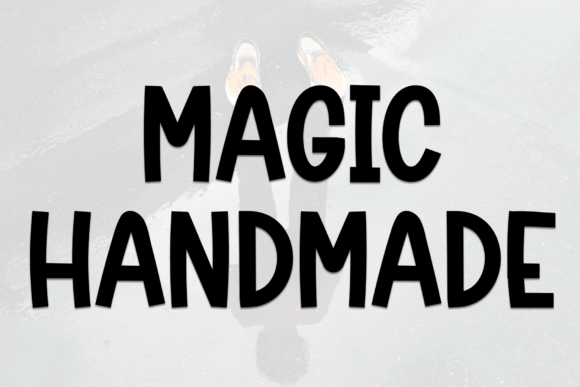
In the crowded landscape of digital typography, finding a font that balances distinctiveness with readability is often the most challenging part of a project. Magic Handmade emerges as a solution for designers seeking an elegant touch without sacrificing structural integrity. As a neat and beautiful display font, it offers a timeless style that stands out in headers, logos, and branding materials. However, simply downloading a font file is not enough to maximize its potential. To truly leverage Magic Handmade, professionals must understand where it fits within their broader creative process, from initial concepting to final asset delivery.
This guide explores how to integrate this specific typeface into real-world workflows, ensuring that your design decisions are practical, consistent, and aligned with your project goals.
Understanding the Role of Display Fonts in Planning
Before opening any design software, successful projects begin with strategic planning. The choice of typography is rarely just aesthetic; it dictates the tone, hierarchy, and usability of the final output. Magic Handmade is classified as a display font, meaning it is optimized for large sizes and short bursts of text rather than long paragraphs. Recognizing this limitation early in the planning phase prevents common workflow bottlenecks later on.
When scoping a new project, ask yourself if the primary message requires an "elegant touch." If you are designing a wedding invitation, a boutique logo, or a high-end product packaging label, Magic Handmade serves as a powerful anchor. Conversely, if the project involves technical manuals or dense content marketing, this font should be reserved strictly for titles, while body copy relies on a highly legible sans-serif or serif pair.
During the mood board and asset gathering stage, treat Magic Handmade as a core visual element. Collect reference images that feature similar handwritten aesthetics to ensure the rest of your color palette and imagery complement its curves and flourishes. This preparatory step ensures that when you move to execution, the font does not feel like an afterthought but rather an intentional component of the brand identity.
Implementation Strategies During the Creative Process
Once the planning phase is complete and you begin the actual design work, the integration of Magic Handmade requires attention to spacing, sizing, and pairing. Because the font is described as having an incredibly distinct style, it demands negative space to breathe. In tools like Adobe Illustrator, Photoshop, or Canva, avoid cramming letters together. Increase the tracking (letter-spacing) slightly to enhance the elegance and prevent the intricate details of the strokes from colliding.
Workflow Tip: When using Magic Handmade for headlines, establish a strict size hierarchy. Use the largest weight for the main title and a significantly smaller size for subtitles if you choose to use the same font family there. Mixing sizes too closely can create visual confusion, undermining the clean look the font provides.
Pairing is another critical aspect of implementation. Since Magic Handmade carries a lot of personality, it pairs best with neutral, understated fonts. A simple geometric sans-serif or a classic serif works well to ground the design. For example, if your headline uses the whimsical flair of Magic Handmade, your supporting text should be utilitarian and easy to read. This contrast creates a professional balance, allowing the display font to shine without overwhelming the viewer.
Consider the medium of your project. On screen, the fluid lines of Magic Handmade render beautifully at high resolutions, making it ideal for web banners and social media graphics. However, for print, always check the resolution requirements. While vector formats preserve quality regardless of size, rasterized versions of the font may lose definition if scaled up too much for large format printing. Always export final assets in vector formats (SVG, EPS, PDF) whenever possible to maintain the crisp edges of the handwriting style.
Ensuring Compatibility and Technical Usability
A smooth workflow depends heavily on technical compatibility. Before committing to Magic Handmade for a client project or a long-term campaign, verify its license terms and file compatibility across your team's software stack. Some display fonts have specific kerning pairs or ligatures that may not activate automatically in all applications.
If you are working in a collaborative environment, ensure that the font files are installed locally on every team member's machine or embedded correctly within shared documents. Cloud-based design platforms often require fonts to be uploaded specifically to the workspace. Failing to do so can result in fallback fonts appearing during review, leading to inaccurate feedback and wasted time correcting layout shifts.
Furthermore, consider accessibility. While Magic Handmade is visually stunning, its decorative nature can pose challenges for users with visual impairments. In digital workflows, ensure that text using this font meets contrast ratio guidelines against the background. Avoid placing light-colored instances of the font over complex patterns. If the design requires text overlays on photos, use drop shadows or semi-transparent backgrounds to separate the typography from the image, ensuring the "neat and beautiful" quality remains readable.
Quality Control and Consistency Checks
As the project moves toward completion, rigorous quality control is essential. The unique characteristics of Magic Handmade mean that small errors in alignment or spacing are more noticeable than with standard block fonts. Conduct a final review focusing on the following areas:
- Alignment: Check that the baseline of the font aligns perfectly with other grid elements. Handwritten styles often have varying ascenders and descenders that can throw off vertical rhythm if not managed carefully.
- Color Consistency: Ensure the color used for the font matches your brand guidelines exactly. Slight variations in hue can make the elegant touch appear muddy or unprofessional.
- Context Testing: View the design in different contexts. How does it look on a mobile screen versus a desktop monitor? Does it hold up when printed on textured paper? Testing these scenarios helps identify issues before the final handoff.
Consistency extends beyond a single project. If Magic Handmade becomes part of your brand's voice, document its usage rules in a style guide. Specify acceptable sizes, safe zones, and approved pairings. This documentation streamlines future tasks, allowing new team members or freelancers to implement the font correctly without needing constant supervision.
Long-Term Value and Future-Proofing Your Designs
The decision to use Magic Handmade should be viewed through the lens of longevity. Trends in typography shift rapidly, but fonts with a timeless style tend to remain relevant longer. The elegant, handmade aesthetic appeals to audiences seeking authenticity and craftsmanship, qualities that resonate deeply in the current market. By choosing a font that feels personal yet polished, you create designs that age gracefully.
However, long-term use also requires adaptability. As your business grows or your brand evolves, you may need to adjust how the font is applied. Perhaps you start using it for video motion graphics or interactive web elements. Understanding the versatility of Magic Handmade allows you to expand its application without losing its core identity. Regularly audit your existing assets to ensure they still reflect the current quality standards and brand direction.
Ultimately, integrating a font like Magic Handmade is about more than just selecting a pretty letter shape. It is about understanding its role in the communication hierarchy, managing its technical requirements, and applying it with a disciplined eye for detail. By following a structured approach—from planning and pairing to quality control—you transform a simple font file into a powerful tool for creating spectacular designs that connect with your audience.