Halloween Bloody: A Strategic Guide to Typography and Brand Impact
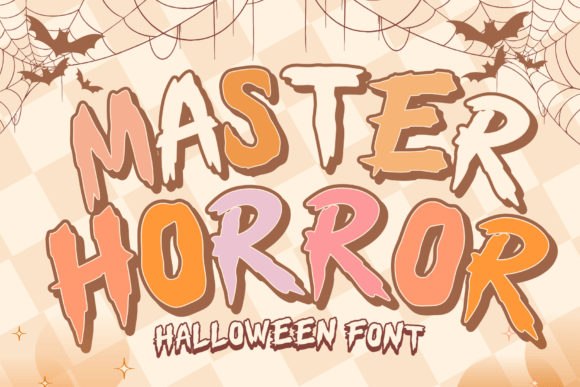
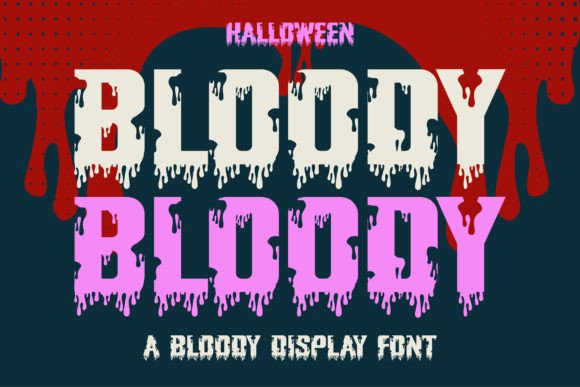
In the realm of visual communication, typography is rarely just about legibility; it is a primary vehicle for emotional signaling. Halloween Bloody, a ghoulish typeface characterized by its terrifying yet playful dripping style, serves as a potent example of how specific font choices can dictate audience reception. For entrepreneurs, marketers, and designers, this font is not merely a decorative element but a strategic tool capable of instilling a shivery delight in your designs. However, like any specialized asset, its value is entirely dependent on context. Understanding when and how to deploy Halloween Bloody requires a shift from random aesthetic selection to intentional brand positioning.
The efficacy of Halloween Bloody lies in its ability to balance horror with humor. It stands out remarkably in circuit projects and is a fitting choice for adorning retro designs because it evokes a specific nostalgia tied to classic horror aesthetics. Yet, without a clear strategic framework, such a distinctive font can undermine professional credibility or confuse messaging. To maximize its utility, one must view it as a component of a broader communication plan rather than an isolated stylistic flourish.
Defining the Strategic Value of Dripping Typography
Before integrating Halloween Bloody into a project, it is essential to understand what the font communicates at a subconscious level. The dripping effect suggests fluidity, messiness, and a touch of the macabre, which aligns perfectly with themes of mystery and suspense. This makes it an ideal candidate for evocative Halloween invitations, eye-catching mugs, quirky stickers, or comical quotes where the goal is to entertain rather than inform formally.
For small business owners and creators, the strategic advantage of Halloween Bloody is its capacity to create immediate thematic cohesion. When used in posters and logos, it adds the much-needed touch of horror that generic sans-serif fonts cannot achieve. This distinctiveness is crucial in crowded marketplaces where differentiation is key. By adopting a font that strikes the right festive note in greeting cards, brands can signal to their audience that they are attuned to seasonal trends and cultural nuances.
Furthermore, the font acts as a comprehensive tool for your packaging needs, particularly for limited-edition products or seasonal merchandise. In these scenarios, the visual impact of the typography enhances the unboxing experience, turning a simple product into a memorable event. The appeal of your illustrations is splendidly enhanced when the text complements the imagery, creating a unified narrative that resonates with the target demographic.
Aligning Font Choice with Business Goals
Successful typography decisions are rooted in clear objectives. If your goal is to drive engagement during the October season, Halloween Bloody offers a direct pathway to capturing attention. However, if the objective is long-term brand stability or corporate trust, the application of such a stylized font requires careful compartmentalization.
Consider the following planning tips for integrating this font into your workflow:
- Seasonal Campaigns: Reserve Halloween Bloody for time-bound marketing pushes. This prevents brand fatigue and ensures the font retains its novelty and impact.
- Audience Segmentation: Use the font only when addressing audiences who appreciate retro horror or playful spookiness. Mismatching the tone with a serious, conservative demographic can lead to disengagement.
- Visual Hierarchy: Do not use Halloween Bloody for body copy. Its complex structure makes it difficult to read in long paragraphs. Instead, deploy it strictly for headlines, logos, and accent text to maintain readability while delivering the desired emotional punch.
By treating the font as a tactical asset, you ensure that every instance of its use contributes to a specific outcome, whether that is increased social media shares, higher conversion rates on seasonal goods, or stronger community engagement among hobbyists.
Application in Circuit Projects and Retro Design
One of the most unique applications of Halloween Bloody is in circuit projects and retro-inspired designs. The organic, dripping lines of the font contrast sharply with the rigid geometry of electronic components or vintage circuitry. This juxtaposition creates a visual tension that is both intriguing and memorable.
For makers and engineers working on DIY kits or tech accessories, using this font can transform a functional schematic into a piece of art. It bridges the gap between industrial utility and creative expression. When adorning retro designs, the font taps into the aesthetic of 1980s horror movies and pulp fiction, appealing to a generation that values nostalgia. This connection can be leveraged to build a deeper emotional bond with customers who identify with these cultural touchstones.
Risks of Contextual Misalignment
While Halloween Bloody is a powerful tool, it carries inherent risks if deployed without clear goals or context. The primary danger lies in overuse or misapplication. Using a font associated with blood and gore in a setting that requires clarity, professionalism, or solemnity can damage brand reputation. For instance, applying this typeface to a medical service's promotional material or a financial report would be a strategic error, likely causing confusion and eroding trust.
Another risk is the dilution of impact. If a brand uses Halloween Bloody year-round, the font loses its association with the specific holiday or theme. It becomes background noise rather than a focal point. Strategic restraint is vital; the font should be used sparingly to maintain its potency. Decision-makers must evaluate whether the "shivery delight" the font provides aligns with the core message of the campaign. If the answer is no, the font should be excluded regardless of its visual appeal.
Additionally, accessibility is a critical consideration. The intricate details of the dripping style may pose challenges for users with visual impairments or those viewing content on low-resolution screens. Ensuring sufficient contrast and avoiding small font sizes are practical steps to mitigate these issues while maintaining the design's integrity.
Practical Implementation Strategies
To use Halloween Bloody intentionally, start by defining the scope of the project. Is this a one-off invitation, a permanent logo, or part of a larger branding suite? For evocative Halloween invitations, the font sets the perfect tone immediately, telling guests exactly what kind of atmosphere to expect. In this case, the font does the heavy lifting of setting expectations, allowing other design elements to support rather than compete.
When designing for physical products like mugs or stickers, consider the durability and visibility of the text. The drips in Halloween Bloody can sometimes appear messy if not rendered at high resolution. Ensure that the file formats used preserve the sharpness of the edges to prevent blurring during printing. For digital applications, test the font across various devices to ensure the playful style translates well on mobile screens.
Collaboration is also key. If you are working with a team, establish guidelines on how the font interacts with other typographic elements. Pairing Halloween Bloody with a clean, neutral sans-serif font can create a balanced composition where the horror element stands out without overwhelming the viewer. This combination allows for clear communication of information while still delivering the festive flair.
Long-Term Value and Creative Growth
Beyond immediate campaigns, mastering the use of specialized fonts like Halloween Bloody contributes to long-term creative growth. It teaches designers and marketers to think critically about the relationship between form and function. By understanding why this font works for certain projects and fails for others, professionals develop a more nuanced approach to visual strategy.
This skill extends beyond Halloween. The principles of contextual appropriateness, audience alignment, and visual hierarchy learned through using such a distinctive typeface apply to all design decisions. It fosters a mindset where every element serves a purpose, driving better results and more effective communication.
Ultimately, diving into the world of Halloween Bloody font and letting your creative pursuits ooze some Halloween wonder and mystery is about more than just decoration. It is about making informed choices that resonate with your audience and elevate your brand. Whether you are creating comical quotes, enhancing illustrations, or designing packaging, the key is intentionality. By approaching this font with a strategic mindset, you transform a simple typeface into a powerful instrument of storytelling and connection.