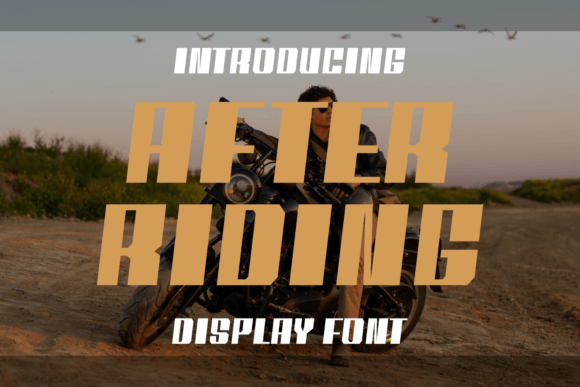
After Riding: A Strategic Guide to Bold Typography
In the crowded landscape of digital and print media, the difference between a message that resonates and one that is ignored often comes down to visual hierarchy. After Riding is not merely a decorative typeface; it is a communication tool designed for impact. Defined by its bold, dynamic structure and strong, sharp lines, this font projects an immediate sense of power and energy. For entrepreneurs, marketers, and creators, understanding how to leverage After Riding strategically can transform a standard headline into a commanding statement that drives engagement and reinforces brand identity.
The strategic value of After Riding lies in its ability to cut through noise. In an era where audiences are bombarded with information, a font that demands attention without sacrificing legibility is a critical asset. However, like any powerful tool, it requires intentionality. Using After Riding effectively means moving beyond aesthetic preference and considering how its aggressive geometry supports your specific goals, planning, and long-term positioning.
The Psychology of Sharp Lines and Dynamic Energy
Typography is never neutral. Every curve, angle, and weight conveys a subtext about the brand or message behind it. After Riding utilizes sharp lines and high-contrast strokes to evoke feelings of speed, confidence, and forward momentum. This makes it particularly suitable for sectors where action, innovation, and strength are paramount.
When you choose After Riding for a project, you are signaling to your audience that you are decisive. The font's energetic look suggests a brand that is not afraid to take risks or lead the market. For professionals in tech startups, fitness industries, or event marketing, this psychological cue aligns perfectly with the desire to inspire movement and excitement. It is a visual shorthand for "now" and "action."
However, this intensity must be matched by the content. If the message is subtle, nuanced, or requires a tone of gentle reassurance, the sharp edges of After Riding may create cognitive dissonance. The font works best when the underlying strategy is equally bold. Before implementing it, ask whether your brand voice is truly authoritative and energetic enough to support such a strong visual element.
Aligning Font Choice with Brand Positioning
Strategic branding requires consistency between visual assets and core values. After Riding serves as a potent anchor for brands positioning themselves as disruptors or industry leaders. Its bold nature helps establish a dominant presence on posters, social media graphics, and website headers.
- Market Disruption: For new entrants challenging established norms, After Riding communicates a break from tradition.
- Event Promotion: Concerts, conferences, and sports events benefit from the font's ability to convey urgency and excitement.
- Call-to-Action: Buttons or headlines urging immediate action gain weight and credibility when styled with this typeface.
Conversely, using After Riding for a law firm, a healthcare provider, or a luxury heritage brand might send mixed signals unless the context is carefully curated. The font's inherent aggression can clash with values of trust, stability, or tranquility. Strategic decision-making involves recognizing these boundaries and ensuring the typography amplifies rather than contradicts your message.
Optimizing Visual Hierarchy for Maximum Impact
The primary function of After Riding is to command attention, making it ideal for headlines and large-scale displays. However, its effectiveness diminishes if overused or applied to body text. To achieve better results, you must treat After Riding as a focal point within a broader typographic system.
Effective planning involves pairing this dynamic font with a more neutral, readable typeface for secondary information. When After Riding is used exclusively for titles, it creates a clear visual distinction that guides the reader's eye naturally. This contrast ensures that the most important information is absorbed first, while the supporting details remain accessible.
Consider the following approach when designing layouts:
- Identify the Core Message: Determine the single most important takeaway for your audience.
- Apply After Riding: Use the font strictly for this headline or key phrase.
- Select a Complementary Font: Choose a sans-serif or serif font with lower visual weight for paragraphs and captions.
- Test Readability: Ensure the sharp lines of After Riding do not become indistinct at smaller sizes or on low-resolution screens.
This structured approach prevents visual clutter and maintains the font's impact. By limiting its use, you preserve its power, ensuring that every time a user encounters After Riding, they feel the intended surge of energy.
Practical Applications Across Industries
The versatility of After Riding extends across various professional domains, provided the application aligns with the strategic objectives of the project. Here is how different sectors can leverage this font to drive outcomes.
Marketing and Advertising Campaigns
Marketers rely on After Riding to stop the scroll. In digital advertising, where users have milliseconds to decide whether to engage, a bold headline is essential. The sharp lines of the font mimic the sensation of a sudden movement, grabbing attention instantly. For product launches or limited-time offers, this font reinforces the concept of immediacy. However, marketers must ensure the accompanying imagery matches the intensity; a mismatch can lead to a disjointed user experience.
Content Creation and Blogging
For bloggers and publishers, After Riding can serve as a distinctive signature for major category headers or featured posts. It helps differentiate premium content from standard updates. When used in editorial design, it adds a layer of modernity and edge, appealing to younger demographics or niche communities interested in cutting-edge topics. The key is restraint; using it for every section header dilutes its effect and can make the reading experience fatiguing.
Small Business Operations and Branding
Small business owners often need to compete with larger corporations for visibility. After Riding offers a cost-effective way to project a confident image on logos, business cards, and storefront signage. It allows a small entity to appear established and formidable. Entrepreneurs should consider how the font scales across different mediums, ensuring that the sharp details remain crisp on both large banners and mobile screens.
Risks of Unintentional Usage
While After Riding offers significant advantages, relying on it without a clear strategy carries risks. The most common pitfall is overuse. Because the font is so visually loud, applying it to too many elements creates a chaotic visual environment that overwhelms the viewer. This can lead to reduced readability and a perception of unprofessionalism.
Another risk is misalignment with the target audience. If your demographic values subtlety, tradition, or calmness, the aggressive nature of After Riding may alienate them. Decision-makers must conduct audience analysis before committing to this typeface. Understanding the emotional response you wish to elicit is crucial; if the goal is to soothe or inform gently, this font is likely the wrong choice.
Furthermore, technical limitations must be considered. Fonts with sharp, intricate details can sometimes suffer from rendering issues on older devices or low-bandwidth connections. Ensuring that After Riding remains legible across all platforms is a necessary step in the planning process. Ignoring these technical constraints can undermine the very impact the font is meant to deliver.
Intentional Implementation Strategies
To use After Riding intentionally, adopt a framework that prioritizes clarity and purpose. Begin by defining the specific outcome you want to achieve with the design. Is the goal to generate urgency? To assert authority? To highlight a breakthrough? Once the objective is clear, evaluate whether the font's characteristics support that goal.
Create a style guide that dictates exactly when and where After Riding appears. Specify font sizes, weights, and spacing rules to maintain consistency. This documentation ensures that everyone involved in the creative process—from freelancers to internal teams—understands the strategic role of the typeface. Consistency builds recognition, and recognition builds trust.
Finally, test your designs with real users. Gather feedback on how the font affects their perception of the message. Does it feel empowering or intimidating? Is the hierarchy clear? Iterative testing allows you to refine your approach, ensuring that After Riding serves as a catalyst for success rather than a source of confusion.
By treating typography as a strategic lever rather than a decorative afterthought, you unlock the full potential of After Riding. Its bold, dynamic nature is a powerful ally for those willing to wield it with precision, foresight, and a deep understanding of their audience's needs.