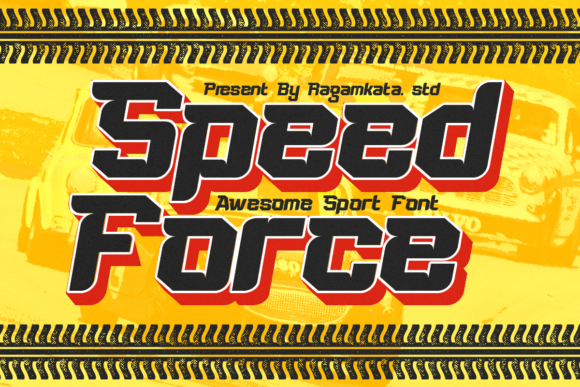
Speed Force: Defining the Typography of Motion and Velocity
In the realm of graphic design, typography is often described as the voice of a brand. While serif fonts whisper tradition and sans-serif typefaces speak clarity, there exists a specific category of lettering designed to shout energy. This is where Speed Force enters the conversation. As a bold, modern typeface characterized by aggressive cutouts and dynamic angles, it represents more than just a collection of glyphs; it embodies the very concept of kinetic motion. For designers, marketers, and creators looking to infuse their projects with an immediate sense of power, understanding the mechanics and application of this font style is essential.
The visual language of speed has evolved significantly over the last few decades. Early attempts at depicting velocity relied heavily on italicized standard fonts or simple slants. Today, however, the demand for something more visceral has given rise to specialized sports fonts like Speed Force. These designs utilize negative space, geometric disruption, and sharp terminal points to create an optical illusion of forward momentum even when the text remains static on a screen or page.
The Anatomy of Kinetic Typography
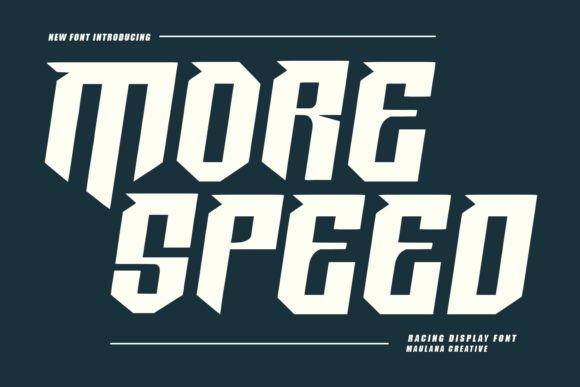
To truly appreciate the impact of Speed Force, one must first deconstruct its structural elements. The font is not merely "slanted"; it is engineered with a specific architectural logic that mimics aerodynamic principles. The defining characteristic of this typeface is its use of modern cutouts. These are deliberate breaks in the stroke width of the letters, often placed at stress points where a vehicle might experience air resistance or mechanical strain.
These cutouts serve a dual purpose. Aesthetically, they reduce the visual weight of the character, making the text appear lighter and faster. Functionally, they guide the viewer's eye along a specific path, usually from left to right, reinforcing the direction of movement. When combined with the bold stroke weight typical of racing logos, the result is a high-contrast element that demands attention. Unlike traditional display fonts that rely on ornamentation, Speed Force relies on form and function. Every angle is calculated to suggest acceleration, while every curve is tightened to imply control.
Furthermore, the spacing within the font plays a critical role in its effectiveness. In many sports-oriented typefaces, the kerning is adjusted to allow for tight grouping without sacrificing legibility. This density creates a solid block of visual information that feels heavy and grounded, yet the internal cutouts prevent it from feeling stagnant. It is this balance between mass and void that allows Speed Force to convey strength and agility simultaneously.
Strategic Applications in Branding and Media
The versatility of a font like Speed Force extends far beyond a single industry, though its roots are firmly planted in the world of athletics and motorsports. Its primary strength lies in its ability to communicate a brand's identity instantly. When a consumer sees a logo utilizing this typeface, the subconscious association with speed, competition, and high performance is triggered immediately.
Sports Headlines and Editorial Design
In the context of magazine publishing and digital media, headlines require a level of urgency that standard body copy cannot provide. Sports journalists and editors frequently turn to fonts like Speed Force for cover stories, match reports, and breaking news segments. The bold nature of the typeface ensures that key information stands out against complex photographic backgrounds. Whether it is a print layout for a football weekly or a digital banner for a live stream, the font cuts through visual noise, ensuring the reader grasps the main point within milliseconds.
The readability of Speed Force, despite its stylized features, makes it suitable for short bursts of text. It excels in environments where the message needs to be punchy and direct. For instance, a headline reading "THE FINAL LAP" gains a new dimension of tension when rendered in this font, visually simulating the roar of an engine and the blur of the track.
Automotive Gaming and Digital Interfaces
The gaming industry, particularly the sub-genre of racing and automotive simulation, relies heavily on immersive UI (User Interface) design. Here, typography is not just decorative; it is functional feedback. In a racing game, the HUD (Heads-Up Display) needs to convey data—speed, lap time, gear selection—at a glance. Speed Force is ideal for these applications because its angular geometry aligns with the futuristic and mechanical aesthetics common in modern game art.
Moreover, in video game title screens and promotional assets, the font helps set the tone before a single pixel of gameplay is seen. It promises an experience that is fast-paced and adrenaline-fueled. Developers often pair this typeface with particle effects and motion blur to enhance the sensation of velocity, creating a cohesive visual narrative that resonates with gamers seeking high-octane entertainment.
Logo Design for High-Energy Brands
For business owners and entrepreneurs launching brands in sectors like fitness, technology, or extreme sports, a logo is the cornerstone of identity. Speed Force offers a commanding presence that can elevate a startup's perceived value. A gym specializing in high-intensity interval training (HIIT), for example, benefits immensely from a logo that looks like it is moving. It suggests that the facility itself is active and results-driven.
Similarly, tech companies focusing on speed optimization, cloud computing, or logistics can leverage this aesthetic to communicate efficiency. The modern flair of the font suggests innovation and a break from the old ways, positioning the brand as a leader in its field. The key to success here is restraint; the logo should be clean and scalable, allowing the inherent dynamism of the font to do the work without needing excessive graphical embellishments.
Optimizing Readability and Visual Hierarchy
While the dramatic flair of Speed Force is its greatest asset, it also presents challenges regarding legibility if used incorrectly. A common mistake among novice designers is applying such a bold, stylized font to long-form body text. The intricate cutouts and aggressive angles can cause eye fatigue when the reader is forced to process large blocks of text. To maintain E-E-A-T (Experience, Expertise, Authoritativeness, and Trustworthiness) standards in design, it is crucial to understand where this font fits within the visual hierarchy.
Speed Force is best utilized as a display font. This means it should be reserved for titles, headers, pull quotes, and call-to-action buttons. By limiting its usage to these high-impact areas, designers ensure that the font retains its novelty and power. Pairing it with a neutral, highly readable sans-serif for body copy creates a harmonious contrast. The neutral font provides the necessary rest for the eyes, while the Speed Force elements act as anchors that guide the reader through the content.
Color selection also plays a pivotal role in maximizing the font's potential. Because the font contains significant negative space, using it in low-contrast combinations can render the cutouts invisible, defeating the purpose of the design. High-contrast pairings, such as white text on a dark background or neon accents against black, accentuate the geometric details. This approach not only enhances readability but also amplifies the energetic vibe associated with the typeface.
Considerations for Implementation and Workflow
Integrating a powerful typeface like Speed Force into a professional workflow requires careful planning. Designers must consider the scalability of the font across different mediums. A logo that looks stunning on a billboard may lose its definition when shrunk down for a mobile app icon or a social media avatar. The cutouts that define the font's character can become muddy or disappear entirely at small sizes. Therefore, testing the font at various resolutions is a non-negotiable step in the design process.
Additionally, cultural context matters. While the font conveys speed and power in Western markets, the interpretation of aggressive angles and broken lines can vary globally. Designers working on international campaigns should ensure that the visual language translates appropriately to the target audience. However, the universal appeal of motion and energy generally makes Speed Force a safe choice for global brands focused on action and performance.
From a technical standpoint, ensuring that the font file is optimized for web use is critical. Variable fonts or properly compressed web fonts can load quickly without sacrificing the crisp edges required for this style. Slow loading times can negate the feeling of speed the font is trying to convey, creating a dissonance between the visual promise and the user experience.
The Future of Dynamic Typefaces
As digital media continues to evolve, the demand for typography that interacts with motion will only grow. We are moving towards an era where static text is becoming less relevant, replaced by animated and responsive type. Fonts like Speed Force are paving the way for this transition by establishing a visual vocabulary of movement. They prove that letters can do more than convey meaning; they can evoke emotion and simulate physical sensations.
Looking ahead, we can expect to see further experimentation with the structural integrity of typefaces. The cutouts and modern flair seen in Speed Force may become even more pronounced, integrating with augmented reality (AR) and virtual reality (VR) environments. In these immersive spaces, text will need to feel as real and dynamic as the world around it. The principles established by current sports fonts will likely inform the next generation of 3D typography, ensuring that the essence of speed remains a central pillar of visual communication.
Ultimately, the value of a font like Speed Force lies in its ability to connect with the audience on a primal level. It taps into our fascination with speed, progress, and power. For professionals, hobbyists, and business owners alike, mastering the use of such tools allows for the creation of designs that are not only seen but felt. By understanding the anatomy, application, and limitations of this bold typeface, creators can ensure their projects stand out with a commanding presence in an increasingly crowded digital landscape.