Fierd: A Dual-Style Typography Solution for Modern Design Workflows
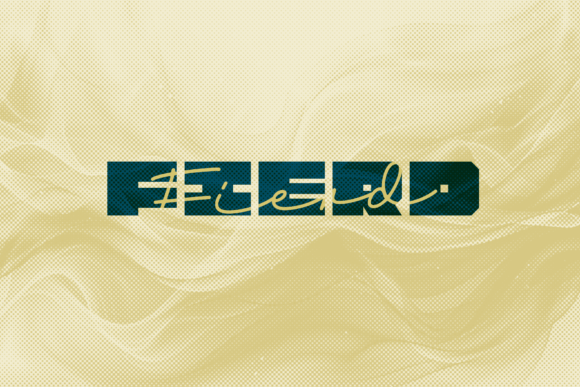
In the landscape of digital design, the selection of typeface often dictates the tone, readability, and overall success of a visual communication project. Fierd emerges as a distinctive solution within this space, offering a playful font duo that bridges the gap between structural rigidity and organic fluidity. This combination is not merely an aesthetic choice but a functional asset for professionals navigating complex branding tasks. By integrating two distinct styles—a bold, square-shaped font with sharp corners and a smooth, signature-style monoline font—Fierd provides designers with the tools to create standout, one-of-a-kind typography that resonates with diverse audiences.
For adults aged 20 to 50, including entrepreneurs, marketers, and creative freelancers, the efficiency of a design workflow is paramount. The ability to execute a vision quickly without sacrificing quality is a critical factor in project management. Fierd fits seamlessly into this broader process by reducing the friction often encountered when pairing disparate fonts. Instead of searching through extensive libraries to find two compatible styles, users gain immediate access to a pre-harmonized pair that works together perfectly. This integration streamlines the planning phase, allowing creators to move from concept to execution with greater confidence and speed.
Understanding the Structural Dynamics of Fierd
To effectively utilize Fierd within a professional context, it is essential to understand the specific characteristics of its two components. The first style is defined by its bold, square-shaped geometry. These sharp corners provide a sense of stability, authority, and modernity. In a design hierarchy, this element serves as the anchor. It is ideal for headlines, logos, and key data points where immediate impact and legibility are required. The geometric nature of these characters ensures they remain readable even at smaller sizes or when viewed on high-resolution screens.
Contrasting this structure is the second component: a smooth, signature-style monoline font. This style introduces a human element to the composition. Its fluid lines mimic handwriting, evoking feelings of approachability, creativity, and personal connection. When used alongside the bold geometric text, the monoline script softens the overall aesthetic, preventing the design from appearing too rigid or corporate. This interplay between the structured and the organic is what gives Fierd its unique flair, making it versatile enough for various applications ranging from corporate identity to lifestyle branding.
Strategic Pairing in the Planning Phase
The value of Fierd becomes most apparent during the initial planning stages of a project. Before any pixel is placed, designers must consider the emotional response they wish to elicit from their audience. Fierd offers a built-in strategy for achieving balance. For instance, a small business owner launching a new product might use the bold square font to communicate reliability and strength in their logo mark. Simultaneously, they can employ the signature style for taglines or call-to-action buttons to suggest a personalized customer experience.
This dual capability reduces the decision fatigue often associated with font selection. Rather than spending hours testing combinations, the user can focus on layout and content. The compatibility of these two styles is inherent; they share a similar x-height and stroke weight logic, ensuring visual harmony even when used in close proximity. This consistency is crucial for maintaining brand identity across different platforms, from social media graphics to printed marketing materials.
Implementing Fierd Across Creative Workflows
Integrating Fierd into a real-world workflow requires a clear understanding of its application at different stages of production. Whether designing posters, creating website headers, or developing packaging, the font duo adapts to the medium while maintaining its core identity. The process begins with asset preparation. Once the font files are installed and activated within design software such as Adobe Illustrator, Photoshop, or Canva, the designer can immediately begin experimenting with hierarchy.
During the execution phase, the bold square font typically takes the lead in establishing the primary message. Its sharp corners cut through visual noise, drawing the eye instantly. However, overuse of this heavy style can lead to visual clutter. This is where the signature monoline font acts as a necessary counterbalance. It breaks up large blocks of information, adds emphasis to specific words, and guides the reader's eye through the composition. For example, in a poster design, the event title might be rendered in the bold geometric style, while the date and location details are presented in the flowing script. This creates a dynamic rhythm that keeps the viewer engaged.
Furthermore, Fierd interacts well with other design assets. Its clean lines complement minimalist color palettes, while its personality stands out against textured backgrounds. When working with photography, the contrast between the sharp typography and soft image elements can create a striking focal point. Marketers can leverage this interaction to highlight promotions or special offers, ensuring that key information is both seen and felt by the target demographic.
Workflow Optimization and Efficiency
Efficiency is a cornerstone of professional productivity. Using a font duo like Fierd eliminates the need for external pairing research, significantly shortening the timeline for project completion. This time savings allows teams to allocate resources to other critical areas, such as copywriting, user testing, or distribution strategies. For freelancers managing multiple clients, the versatility of Fierd means a single font purchase can serve a wide array of projects, from tech startups to boutique fashion brands.
Consistency is another vital factor in long-term brand building. By standardizing the use of Fierd across all touchpoints, businesses ensure a cohesive visual language. This uniformity builds trust with consumers, who begin to associate the specific typographic style with the brand's values. Whether the output is a digital ad, a business card, or a presentation slide, the familiar combination of bold squares and smooth scripts reinforces brand recognition.
Practical Considerations for Quality Control
While Fierd offers significant advantages, successful implementation depends on adherence to best practices regarding usability and organization. One common pitfall in typography is poor spacing and kerning. Due to the contrasting shapes of the two fonts, careful attention must be paid to the white space between characters and lines. The sharp corners of the bold font require slightly more breathing room compared to the rounded terminals of the script style. Adjusting tracking and leading ensures that the text remains legible and aesthetically pleasing.
Additionally, file management plays a role in maintaining workflow efficiency. Designers should organize their font files and related assets systematically to avoid version control issues. Ensuring that the correct versions of Fierd are embedded in final deliverables prevents rendering errors when files are shared with printers or web developers. Compatibility checks across different operating systems and browsers are also recommended, particularly for web-based projects where fallback fonts may affect the intended look.
Long-term use of Fierd also involves monitoring trends and audience feedback. While the font is designed to be timeless, market preferences evolve. Regularly reviewing how the typography performs in live campaigns can provide valuable insights. If the bold style feels too aggressive for a rebranding effort, the proportion of script usage can be increased to soften the tone. Conversely, if the design needs more authority, the geometric elements can be scaled up. This flexibility allows the font to grow with the brand.
Expanding Creative Possibilities
Beyond standard applications, Fierd opens doors for experimental design. Educators and bloggers can use the contrast to differentiate between instructional content and personal anecdotes. Publishers might apply the bold font for chapter headings and the script for pull quotes, creating a visually engaging reading experience. The playful nature of the duo encourages experimentation with size, rotation, and layering, enabling creators to push boundaries without losing clarity.
Ultimately, Fierd represents more than just a set of letters; it is a tool for strategic communication. By combining the precision of geometric forms with the warmth of handwritten strokes, it empowers users to craft messages that are both impactful and inviting. For professionals seeking to enhance their design process, improve efficiency, and deliver high-quality results, Fierd offers a robust solution that integrates smoothly into existing workflows. Its ability to adapt to various contexts while maintaining a unique identity makes it an invaluable asset for anyone dedicated to the art of visual storytelling.