Tricki Treat: A Spooky Display Font for Bold Designs
In the vast landscape of digital typography, finding a typeface that instantly communicates a specific mood without overwhelming the viewer is a rare find. Tricki Treat emerges as a standout solution for designers seeking to capture the whimsical yet eerie essence of Halloween and horror themes. As a simple display font intended for mockups or making posters, it offers a distinct visual voice that bridges the gap between playful cartoonishness and classic spooky aesthetics. Whether you are crafting an album cover, designing a movie title, or creating seasonal marketing materials, understanding how to leverage this font can elevate your creative projects significantly.
The Essence of Tricki Treat Typography
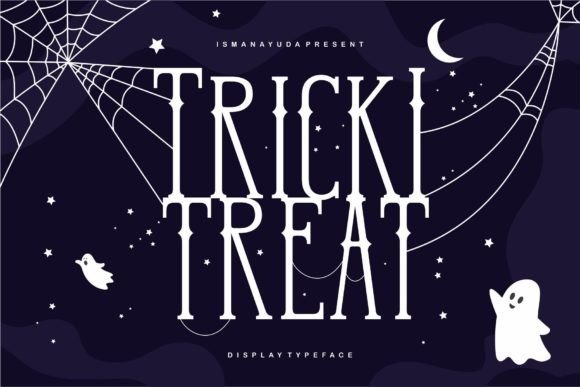
At its core, Tricki Treat is designed with readability and impact in mind, though strictly within the realm of display usage. Unlike serif or sans-serif fonts meant for long-form body text, this typeface relies on exaggerated curves, irregular baselines, and jagged edges to evoke a sense of movement and unease. The name itself suggests a duality—trick representing the scary elements and treat hinting at the fun, approachable nature of the design. This balance makes it particularly versatile for various creative endeavors where the goal is to grab attention immediately.
When analyzing the characteristics of Tricki Treat, one notices that it avoids excessive ornamentation that can clutter a design. Instead, it focuses on bold strokes and unique letterforms that stand out even at smaller sizes relative to other display fonts. This simplicity is intentional; it allows the font to remain legible when used in high-contrast environments, such as dark backgrounds common in horror-themed designs. For professionals looking to create mockups quickly, this font provides an instant thematic anchor without requiring extensive customization.
Key Features That Define the Style
- Bold and Irregular Letterforms: Each character in Tricki Treat features slight variations in weight and alignment, mimicking the hand-drawn look of vintage horror posters.
- High Contrast Potential: The thick strokes make it ideal for white-on-black or neon-on-dark color schemes, ensuring maximum visibility.
- Playful Yet Edgy: The font strikes a delicate balance, making it suitable for both children's Halloween parties and mature horror film titles.
- Mockup Readiness: Designed specifically for quick application in concept art and preliminary designs, it saves time during the brainstorming phase.
Practical Applications Across Industries
The versatility of Tricki Treat extends far beyond a single niche. While its primary association is with the autumn holiday, its aesthetic qualities make it a valuable asset for creators across multiple disciplines. Understanding where to apply this font effectively can transform a standard project into something memorable.
Halloween Posters and Event Marketing
For event organizers and business owners, Tricki Treat is an obvious choice for seasonal promotions. Imagine a local cinema hosting a "Spooky Movie Night" or a community center organizing a trick-or-treat route. Using this font for the main headline instantly sets the tone. It tells the audience exactly what to expect before they even read the details. The font's ability to convey excitement and mild fear simultaneously makes it perfect for invitations, flyers, and social media graphics. In these scenarios, the font acts as a visual shorthand, reducing the need for excessive imagery to communicate the theme.
Album Covers and Music Branding
In the music industry, visual identity is paramount. Bands in genres like punk, alternative rock, or indie horror often seek typography that reflects their sound. Tricki Treat serves as an excellent tool for album covers, lyric videos, and tour merchandise. Its irregular structure complements the chaotic energy of many musical styles, while its clean lines ensure that the band name remains readable on streaming platforms. Designers often use it for the album title, pairing it with a more neutral font for track listings to maintain hierarchy and balance.
Movie Titles and Entertainment Media
Film producers and independent filmmakers frequently rely on distinctive typography to sell a concept. A movie title card is often the first thing an audience sees, and Tricki Treat can deliver a punchy, genre-specific introduction. Whether it's a low-budget slasher flick, a family-friendly animated short about ghosts, or a comedy-horror hybrid, this font adapts well. Its simplicity ensures that it doesn't distract from the actors' faces in promotional stills, allowing the title to sit comfortably alongside the imagery.
Evaluating Suitability for Your Project
While Tricki Treat is powerful, it is not a universal solution. Like any specialized display font, it has limitations that must be considered before integration. One of the most critical factors is context. Because the font is so thematically charged, using it for a corporate annual report or a serious news article would be jarring and inappropriate. The decision to use it should always align with the emotional intent of the message.
Furthermore, readability over long passages is a significant constraint. Tricki Treat is intended for headlines, logos, and short phrases. Attempting to write paragraphs in this typeface will result in a poor user experience, as the irregular shapes can strain the eyes. Best practices suggest limiting its use to no more than 10–15 words per page, reserving standard sans-serif or serif fonts for the body copy. This combination creates a strong visual hierarchy, guiding the reader's eye from the catchy headline to the informative content below.
Considerations for Professional Use
- Licensing and Usage Rights: Before downloading or purchasing Tricki Treat, ensure you understand the licensing terms. Some free versions may restrict commercial use, which is crucial for business owners and agencies.
- Pairing Strategies: To maximize effectiveness, pair this font with a clean, geometric sans-serif. This contrast highlights the personality of Tricki Treat while maintaining overall design clarity.
- Color and Background: Test the font against various backgrounds. While it shines on dark colors, it may lose definition on light, busy patterns. Solid backgrounds usually yield the best results.
- Audience Perception: Consider who will see the design. If the target demographic includes young children, the font's playful side works well. For adult audiences, lean into the spookier aspects by adjusting tracking and kerning.
Real-World Scenarios and Creative Expectations
To illustrate the practical value of this font, consider a scenario where a small bakery wants to launch a line of Halloween cupcakes. They need a poster for their window display. By using Tricki Treat for the headline "Spooky Sweets," they immediately attract passersby. The font's whimsical nature suggests fun, encouraging families to stop in. However, if they were selling high-end, artisanal chocolate truffles for a sophisticated gala, this same font might undermine the premium feel of the product. This distinction highlights the importance of matching the font's personality to the brand's voice.
Another example involves a graphic designer working on a mockup for a new video game. During the early stages, speed is essential. Rather than spending hours customizing a complex vector logo, the designer applies Tricki Treat to the placeholder title. This allows the client to visualize the vibe of the game instantly. Once the concept is approved, the designer can refine the logo further, but the initial direction was set by the font's inherent style. This efficiency is why Tricki Treat remains a favorite for mockups and rapid prototyping.
Limitations and Practical Expectations
It is important to manage expectations regarding the longevity of trends. While horror and Halloween themes are perennially popular, the specific style of Tricki Treat may eventually feel dated if overused. Designers should treat it as a stylistic accent rather than a permanent brand element unless the brand identity is explicitly tied to those themes. Additionally, because it is a display font, it lacks the variety of weights (light, medium, bold) found in comprehensive font families. This means you cannot simply bold a sentence for emphasis; you must rely on size and spacing to create hierarchy.
Despite these limitations, the value of Tricki Treat lies in its ability to solve a specific problem: conveying a spooky, festive mood quickly and effectively. For general consumers creating personal projects, it offers a professional look without a steep learning curve. For business owners, it provides a cost-effective way to enhance seasonal marketing campaigns. And for professional creators, it serves as a reliable tool in the arsenal for rapid concept development.
Conclusion
Ultimately, Tricki Treat is more than just a collection of letters; it is a design tool that encapsulates a specific cultural moment and emotion. Its strength lies in its simplicity and its ability to communicate a theme instantly. Whether you are designing a movie title, an album cover, or a community event poster, this font offers a unique blend of playfulness and eeriness that few others can match. By understanding its strengths, limitations, and appropriate applications, you can harness its potential to create compelling visuals that resonate with your audience. As you evaluate your next project, remember that the right typeface can do half the work of storytelling, and Tricki Treat is ready to tell a spooky tale.