Broken Bridge: A Bold Display Font for Edgy Designs
In a digital landscape saturated with clean, geometric sans-serifs and polished modernist typefaces, there is a growing hunger for textures that feel human, raw, and unapologetic. This is where Broken Bridge enters the conversation. It is not merely a font; it is a visual statement designed to shatter expectations and command immediate attention. As a bold display font with distinct edgy, grunge vibes, Broken Bridge offers creators a tool to defy the norm without sacrificing readability or impact. For designers, marketers, and entrepreneurs looking to cut through the noise, this typeface provides a unique aesthetic foundation that balances chaos with structure.
The Essence of Broken Bridge Typography
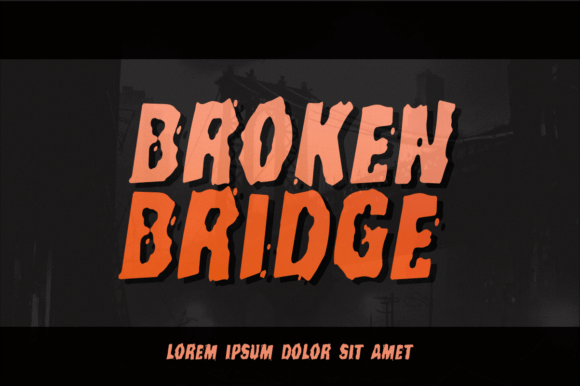
At its core, Broken Bridge is engineered to evoke the feeling of urban decay, rebellion, and artistic disruption. The letterforms are characterized by jagged edges, distressed surfaces, and intentional imperfections that mimic the look of weathered concrete or torn paper. Unlike standard grunge fonts that often rely on random noise overlays, Broken Bridge integrates these elements into the very architecture of the glyphs. This means the "broken" quality feels intrinsic to the design rather than applied as an afterthought.
This approach makes the font particularly interesting for projects that need to communicate authenticity. In an era where digital perfection can sometimes feel sterile or disconnected from reality, the rough texture of Broken Bridge grounds a design in something tangible. It suggests a story of resilience, struggle, or raw energy. Whether you are designing a poster for an underground music festival or branding a startup that challenges industry standards, the font’s inherent character does much of the heavy lifting in setting the tone.
Why Designers Are Choosing Distressed Type
The shift towards textured typography reflects a broader cultural desire for individuality. When audiences see a perfectly aligned grid, they recognize competence. But when they see a font like Broken Bridge, they recognize attitude. This distinction is crucial for brands and creators targeting younger demographics or niche communities that value non-conformity. The font serves as a visual shorthand for "we are different," instantly aligning the viewer with the creator's intent.
Furthermore, Broken Bridge demonstrates how display fonts have evolved. Modern grunge typefaces are no longer just about being hard to read; they are about being memorable. The design team behind Broken Bridge ensured that while the edges are sharp and the strokes are uneven, the counter shapes and overall weight remain legible at large sizes. This balance allows the font to be used effectively in headlines, logos, and large-scale graphics without alienating the audience with visual clutter.
Creative Applications and Project Ideas
The versatility of Broken Bridge lies in its ability to adapt to various creative directions while maintaining its core identity. Because it is a display font, it is best suited for short bursts of text where impact is more important than volume. Here are several practical ways to integrate this typeface into your workflow:
- Music and Event Branding: Bands, DJs, and event organizers can use Broken Bridge for album covers, tour posters, and social media announcements. The aggressive style pairs naturally with genres like rock, metal, hip-hop, and electronic music. Try pairing the font with high-contrast photography or abstract vector art to amplify the energy.
- Fashion and Streetwear: Clothing labels that focus on street culture or avant-garde styles benefit from the font's gritty aesthetic. Use it for logo marks on t-shirts, hoodies, or packaging. The distressed look complements fabric textures, making the design feel cohesive even when printed on physical goods.
- Gaming and Esports: The competitive gaming world thrives on intensity. Broken Bridge works exceptionally well for game titles, character names, and promotional banners. Its sharp angles convey speed and aggression, fitting the fast-paced nature of the industry.
- Editorial Headlines: Magazines and blogs focusing on alternative culture, politics, or investigative journalism can use Broken Bridge for feature headlines. It signals to the reader that the content within is bold, perhaps controversial, and definitely worth their time.
Adapting Broken Bridge for Different Audiences
While the font has a specific vibe, its application can be tailored to suit different goals and platforms. The key is understanding the context in which the audience will encounter the text. For instance, a small business owner selling handmade leather goods might want to use Broken Bridge sparingly to suggest rugged craftsmanship. In this case, using the font only for the brand name on a website header or a label tag creates a focal point without overwhelming the customer.
For digital marketers running ad campaigns, the font acts as a hook. On platforms like Instagram or TikTok, where users scroll rapidly, a headline in Broken Bridge stops the thumb. However, it is essential to pair this boldness with clear calls to action in a more neutral sans-serif font. This combination ensures that the initial grab of attention translates into a readable message. The contrast between the chaotic energy of Broken Bridge and the stability of a supporting body font creates a dynamic visual hierarchy that guides the user's eye.
Educators and publishers working on niche topics, such as urban history or graphic design theory, can also leverage this typeface. It adds a layer of thematic depth to presentations or book covers, signaling that the content explores unconventional angles. By using the font to highlight key terms or chapter titles, creators can break up dense information and make the material feel more engaging and less academic.
Maintaining Clarity and Consistency
One of the most common pitfalls when using highly stylized fonts is losing legibility. To keep results clear and effective, adhere to a few practical guidelines. First, always prioritize size. Broken Bridge loses its definition when scaled down too small. Avoid using it for body copy, captions, or fine print. Stick to headlines, subheads, and logos where the letters have room to breathe.
Second, manage color contrast carefully. Because the font features internal details and broken edges, placing it against a busy background can cause it to disappear. Use solid colors or blurred backgrounds to ensure the white space within the letters remains distinct. If you must use a complex background, consider adding a subtle drop shadow or stroke to separate the text from the image.
Finally, maintain consistency across your brand assets. If Broken Bridge is your primary display font, establish rules for when and how it appears. Does it appear in all caps? Is it always paired with a specific accent color? Creating a style guide around the font helps prevent it from becoming a gimmick and instead establishes it as a core element of your visual identity.
Practical Recommendations for Implementation
When integrating Broken Bridge into your design toolkit, start by experimenting with kerning and tracking. The irregular shapes of the letters may require manual adjustments to ensure the spacing looks balanced. Sometimes, tightening the tracking slightly can enhance the aggressive feel, while loosening it can create a more expansive, monumental look. Test these variations on different screens and print proofs to see how the texture holds up.
Consider the emotional resonance of your project before committing to the font. Ask yourself if the "broken" aesthetic aligns with your message. If you are promoting a service that relies on trust and precision, such as legal consulting or medical services, this font might send the wrong signal. However, for ventures built on innovation, disruption, or creativity, Broken Bridge is an asset that can elevate your work from standard to standout.
Ultimately, the power of Broken Bridge lies in its ability to tell a story before a single word is read. It invites the viewer to look closer, to question the status quo, and to engage with content that dares to be different. By understanding its strengths and limitations, creators can harness its edgy potential to build designs that are not only visually striking but also deeply resonant with their intended audience.