The Old Man: A Typeface That Embodies Experience and Immortality
In the vast landscape of digital typography, few fonts manage to convey a narrative as deeply as The Old Man. This typeface is not merely a collection of characters; it is a visual representation of wisdom, resilience, and the enduring nature of life. Inspired by the archetype of an elderly figure who has weathered countless storms, The Old Man serves as a powerful tool for designers and communicators looking to infuse their projects with gravitas and history. For adults seeking practical solutions in branding, editorial design, or personal creative expression, understanding how to leverage this font can transform a standard message into a memorable statement.
Understanding the Essence of The Old Man Font
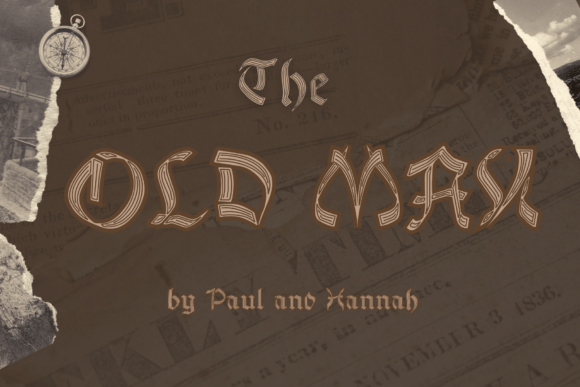
The Old Man was created with a specific philosophical intent. It draws its primary inspiration from the character of an old man—a symbol of accumulated experience and deep knowledge. In a world that often prioritizes speed and novelty, this font stands as a counter-narrative, celebrating the value of time and endurance. The design is a sophisticated adaptation of the fierce Black Wings font. While Black Wings was originally conceived to symbolize immortality through the imagery of a crow, The Old Man takes that foundation and refines it to reflect human longevity.
The defining characteristic of this typeface lies in its unique internal structure. Unlike standard bold fonts that rely on solid mass, The Old Man incorporates added inner lines within the letterforms. These lines are not decorative afterthoughts; they are structural elements that mimic the wrinkles, scars, and textures found on the face of someone who has lived a full life. They convey the complexity of experience, suggesting that beneath the surface lies a wealth of stories. This distinction makes the font particularly effective for audiences who appreciate depth and authenticity over superficial trends.
Addressing Design Challenges with Depth and Character
Many designers and content creators face a recurring challenge: how to communicate authority and trust without sounding outdated or overly aggressive. Standard serif fonts can feel too academic, while modern sans-serifs often lack the necessary weight for serious subjects. Furthermore, in industries like finance, law, heritage crafting, or storytelling, there is a constant need to establish immediate credibility. This is where The Old Man offers a distinct solution.
The goal for users in these sectors is often to bridge the gap between tradition and modernity. They need a visual identity that respects the past but remains legible and impactful in a digital context. Without a font that carries inherent meaning, projects can feel hollow or generic. The Old Man addresses this by providing a pre-loaded emotional resonance. When a reader encounters text set in this typeface, they subconsciously associate the content with stability, wisdom, and permanence. It solves the problem of "visual voice," ensuring that the medium matches the message's intended gravity.
Practical Applications for Real-World Scenarios
The versatility of The Old Man allows it to be applied across various mediums, each benefiting from its unique aesthetic. Here are several practical ways to implement this font to achieve specific outcomes:
- Brand Identity for Legacy Businesses: Companies with a long history or those wishing to project an image of established reliability can use The Old Man for logos and headers. The inner lines suggest a complex history, reinforcing the idea that the business has survived and thrived through changing times.
- Editorial and Publishing: For book covers, magazine headlines, or blog posts focusing on history, biography, or philosophy, this font acts as a visual anchor. It signals to the reader that the content is substantial and worth their time. The contrast between the bold outer edges and the detailed inner lines creates a focal point that demands attention.
- Creative Campaigns on Mortality and Resilience: Non-profits or organizations focused on aging, health, or historical preservation can utilize the font to align their messaging with themes of endurance. The connection to the crow symbolism of immortality adds a layer of poetic depth to campaigns about legacy.
- Personal Branding for Thought Leaders: Consultants, authors, and speakers who position themselves as experts can use The Old Man in their portfolios and social media graphics. It visually reinforces their status as experienced guides in their respective fields.
Tailoring Implementation to Different User Needs
While the core characteristics of The Old Man remain constant, different users will approach its implementation based on their specific goals. A graphic designer working on a luxury packaging project might prioritize the font's texture, using it at large sizes to highlight the intricate inner lines. In this context, the font becomes a tactile element, even on screen, evoking a sense of craftsmanship.
Conversely, a web developer integrating the font into a user interface might focus on readability and hierarchy. They may pair The Old Man with a clean, neutral sans-serif for body text to ensure that the heavy character of the headings does not overwhelm the content. This balanced approach ensures that the font enhances the user experience rather than detracting from it. The key is to recognize that The Old Man is a strong accent; it works best when given space to breathe.
For writers and content strategists, the choice of font influences the tone of the entire piece. Using The Old Man suggests a shift away from casual conversation toward authoritative discourse. It invites the audience to slow down and consider the words more deeply. This psychological cue is invaluable when the goal is to persuade, educate, or inspire reflection. By aligning the visual presentation with the desired emotional response, creators can significantly increase engagement and retention.
Recommendations for Effective Usage
To maximize the impact of The Old Man, consider the following recommendations:
- Leverage Contrast: Because the font is dense and detailed, place it against light backgrounds to ensure the inner lines remain visible. High contrast enhances the perception of depth and clarity.
- Limit Usage: Avoid using The Old Man for long paragraphs. Its strength lies in headlines, pull quotes, and short statements. Overuse can lead to visual fatigue and diminish its unique appeal.
- Contextual Pairing: Pair the font with imagery that complements its theme. Textures like parchment, stone, or wood, as well as photography featuring older subjects or historical settings, create a cohesive narrative.
- Respect the Symbolism: Remember the origin story involving the crow and the concept of immortality. Use the font in contexts where longevity and resilience are relevant values. Misusing it for fleeting trends can create a dissonance that confuses the audience.
Conclusion: Embracing Wisdom in Design
The Old Man is more than a typographic style; it is a tool for communication that bridges the gap between the visual and the emotional. By adapting the fierce energy of Black Wings and refining it with the nuanced details of human experience, this font offers a unique solution for those seeking to project authority and depth. Whether you are building a brand, designing a publication, or crafting a personal message, The Old Man provides the visual weight needed to make your words resonate.
In a digital environment often characterized by noise and distraction, choosing a font that speaks of experience and immortality is a strategic decision. It tells your audience that you value substance, history, and the enduring power of wisdom. By implementing The Old Man thoughtfully, you not only enhance the aesthetic quality of your work but also deepen the connection with your audience, inviting them to engage with content that feels both timeless and profoundly human.