Lumosky: The Artisan Typeface That Tells Your Brand's Story
In a digital landscape often saturated with sterile, geometric sans-serifs and overly polished scripts, finding a typeface that feels genuinely human is a challenge. Lumosky emerges as a refreshing alternative, breathing the spirit of creativity and craftsmanship into every letter. It is not merely a collection of glyphs; it is a design tool inspired by the raw, authentic feel of weathered street signs and the warm, personal touch of handmade art. For designers, entrepreneurs, and creators looking to infuse their projects with a rustic yet stylish flair, Lumosky offers a unique opportunity to connect with an audience on an emotional level.
However, integrating a character-rich font like Lumosky into your workflow requires more than just downloading a file and applying it to a headline. Many users approach expressive typefaces with a "set it and forget it" mentality, leading to designs that feel cluttered, illegible, or tonally inconsistent. To truly leverage the charm and character of this font, one must understand its nuances and avoid common pitfalls that can undermine the very authenticity you are trying to achieve.
Understanding the Essence of Lumosky
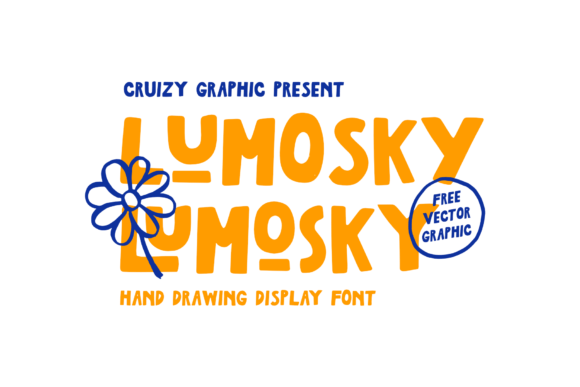
Lumosky is designed to capture the essence of hand-drawn artistry. Each stroke mimics the imperfections of a brush or marker, creating a visual rhythm that resonates with nostalgia and warmth. This makes it an ideal choice for branding coffee packaging, crafting chocolate labels, designing food products, or creating unique merchandising and book covers. When used correctly, the font exudes a genuine, artisanal vibe that speaks directly to the heart of your audience.
The appeal of Lumosky lies in its ability to tell a story. In an era where consumers crave transparency and connection, a font that looks mass-produced can create distance. Conversely, a typeface that suggests care and individuality builds trust. Whether you are a small business owner launching a local bakery or a freelancer designing a memoir cover, Lumosky provides the visual language needed to say, "This was made by hand, for you."
Common Mistakes When Using Expressive Typefaces
Despite its versatility, Lumosky is not a universal solution for every text element. One of the most frequent errors I see is the overuse of the font in body copy. Because Lumosky features irregular strokes and varying weights, reading long paragraphs in this style can be straining for the eyes. When a reader struggles to decipher text, they disengage, and your message is lost.
The Impact: Using Lumosky for large blocks of text reduces readability and efficiency. It signals a lack of typographic hierarchy, making the design look amateurish rather than artisanal. The result is often a drop in user satisfaction and a failure to communicate key information effectively.
Another common misunderstanding involves scaling. Some designers assume that because a font looks good at a large size, it will maintain its integrity when shrunk down for social media icons or small product tags. Unfortunately, the intricate details of hand-drawn fonts can blur or disappear at smaller sizes, turning distinct letters into muddy blobs.
Other Pitfalls to Avoid
- Ignoring Kerning: Hand-drawn fonts often have irregular spacing. Relying solely on automatic kerning can lead to awkward gaps or collisions between letters, breaking the flow of the word.
- Mismatched Pairings: Pairing Lumosky with another highly decorative font creates visual noise. The goal is harmony, not competition.
- Over-stylizing: Adding excessive effects like heavy shadows, outlines, or textures to Lumosky can strip away its natural charm, making it look artificial.
Strategic Application for Better Results
To avoid these mistakes, adopt a strategy of restraint and intentionality. Treat Lumosky as the star of your design, not the supporting cast. Reserve it for headlines, logos, short taglines, and accent phrases where its personality can shine without overwhelming the viewer.
Practical Approach: If you are designing a coffee bag, use Lumosky for the brand name and the flavor profile (e.g., "Ethiopian Yirgacheffe"). Then, pair it with a clean, neutral sans-serif for the nutritional facts, brewing instructions, and ingredient lists. This combination ensures that the rustic vibe is present while maintaining professional legibility.
When working with smaller sizes, test your design rigorously. Zoom out to 50% or 25% on your screen to simulate how the text will appear in print or on a mobile device. If the details vanish, consider using a bolder weight of the font or simplifying the layout. Remember, clarity always trumps decoration when it comes to usability.
Evaluating Your Design Choices
Before finalizing a project featuring Lumosky, take a moment to step back and evaluate the overall composition. Ask yourself: Does this font support the message, or is it distracting from it? Is the contrast between the heading and the body text sufficient?
Consider the context of your audience. While Lumosky is perfect for organic skincare lines, craft breweries, and boutique bakeries, it might feel out of place for a high-tech cybersecurity firm or a legal consultancy. The font's nostalgic, handmade feel must align with the brand identity you are projecting. If there is a disconnect, even the most beautiful typography will fail to resonate.
Checklist Before You Commit
- Readability Test: Can a stranger read your main message within three seconds?
- Scalability Check: Does the text remain clear across all intended mediums (print, web, app)?
- Pairing Harmony: Do the secondary fonts complement Lumosky without clashing?
- Brand Alignment: Does the rustic aesthetic match your company's core values?
Investing in Quality Typography
Finally, do not overlook the importance of sourcing. There are many free alternatives to premium fonts, but they often lack the extensive character sets, ligatures, and optimized weights found in professional releases. Choosing a low-quality version of a font like Lumosky can lead to missing characters, poor rendering on different devices, and licensing issues that could jeopardize your business later.
Investing in the right version of the font ensures that you have access to all the tools needed to customize your design fully. It also supports the creators who put hours of work into crafting those unique strokes. A well-licensed, high-quality font file is an asset that pays dividends in consistency and professionalism.
Ultimately, Lumosky is more than just a font; it is a story waiting to be told, one letter at a time. By avoiding common traps and applying it with purpose, you can ensure that your designs stand out with a genuine, artisanal vibe. Let the font breathe, give it space to shine, and watch as it transforms your project from a simple graphic into a memorable brand experience.