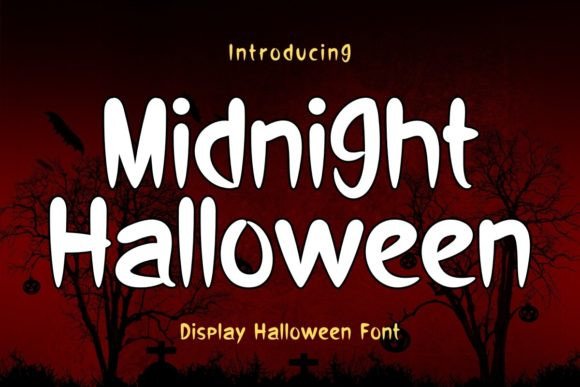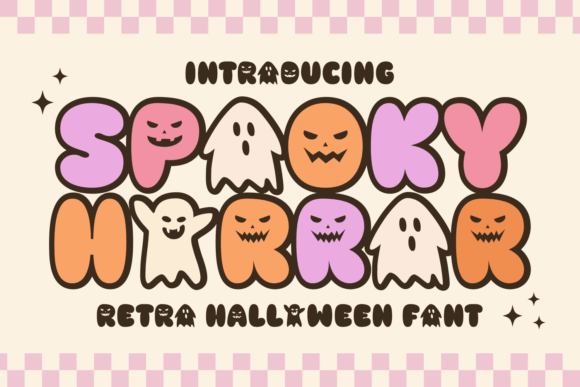
Spooky Horror Typeface: Capturing the Timeless Spirit of Halloween in Design
Halloween is more than just a holiday; it is a cultural phenomenon rooted in storytelling, atmosphere, and visual identity. From the moment autumn leaves begin to turn, designers, marketers, and creative enthusiasts start searching for ways to evoke the perfect blend of nostalgia and fear. In this quest for the ideal aesthetic, typography plays a pivotal role. Enter the Spooky Horror Halloween Typeface, a unique font designed to encapsulate the spine-chilling ambience of classic horror films and vintage party invitations. This article explores how this specific typeface bridges the gap between retro charm and modern design needs, helping you bring your creative projects to life with an otherworldly aura.
The Psychology of Horror Typography
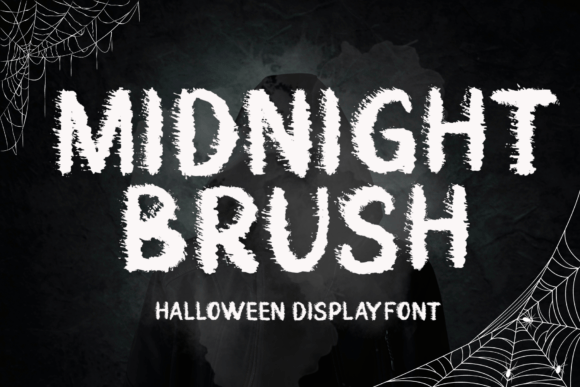
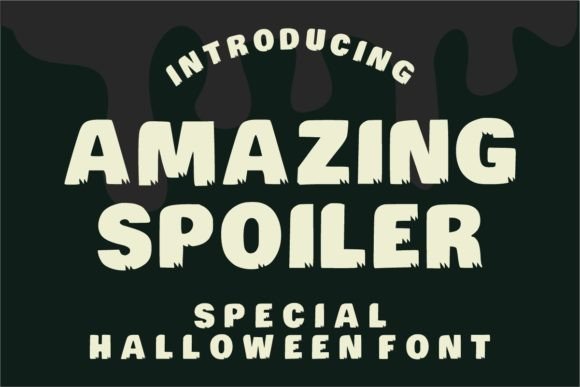
To understand why a font like Spooky Horror is so effective, we must first look at the psychology behind letterforms. Typography is not merely about legibility; it is about emotion. When we see a jagged, dripping, or elongated letter, our brains instinctively associate it with danger, decay, or the supernatural. This is the power of visual semiotics. The Spooky Horror font leverages these psychological triggers by incorporating irregular serifs, uneven baselines, and textures that mimic rotting wood or old parchment.
Unlike standard sans-serif fonts that communicate clarity and neutrality, horror typefaces are designed to disrupt. They create a sense of unease before the viewer even reads the message. This makes them indispensable for any project aiming to immerse an audience in a narrative of suspense. Whether you are designing a movie poster, a haunted house sign, or a digital invitation, the right font sets the stage for the entire experience.
Why Vintage Charm Matters in Modern Horror
One of the most compelling aspects of the Spooky Horror Halloween Typeface is its ability to evoke a "reverie of nostalgia." There is a distinct difference between modern, sleek horror (think high-definition CGI) and the gritty, practical effects of the 1970s and 80s. The latter often feels more authentic and terrifying because it taps into a shared cultural memory of campfire stories and drive-in theaters.
This font captures that vintage charm by mimicking the imperfections of old printing presses and hand-painted signs. It adds an instant touch of history to your designs, suggesting that the story being told has been whispered for generations. For businesses and creators, this vintage aesthetic is a powerful tool. It differentiates their work from the generic, overused clip-art style often seen on social media, offering instead a sophisticated, curated look that resonates with audiences who appreciate the classics.
Practical Applications: Where to Use the Spooky Horror Font
The versatility of the Spooky Horror typeface extends far beyond simple decoration. It is a functional tool that can be applied across various industries and creative endeavors. Here are several ways this font fits into modern life, work, and creativity:
- Event Invitations and Party Planning: Perhaps the most common use case is for Halloween parties. A well-designed invitation using this font immediately informs guests of the theme. It transforms a simple text message into an immersive event preview. You might use it for the headline while pairing it with a cleaner font for the details, ensuring readability without sacrificing the mood.
- Marketing and Branding: Businesses in the entertainment sector, such as escape rooms, ghost tours, or seasonal pop-up shops, can use this typeface to build brand recognition. It signals excitement and thrill, encouraging potential customers to engage. Even non-horror brands sometimes adopt spooky aesthetics during October for limited-time campaigns to stay relevant and engaging.
- Digital Content and Social Media: In the age of Instagram and TikTok, visual appeal is currency. Using the Spooky Horror font in story overlays, blog headers, or YouTube thumbnails can significantly increase click-through rates. It grabs attention in a crowded feed by standing out against the sea of clean, minimalist designs.
- Educational Projects: Teachers can utilize this font to make lessons about literature, history, or art more engaging. Creating worksheets or presentations about Gothic literature or the history of Halloween becomes more interactive when the visual elements match the subject matter.
Design Principles: Balancing Fear and Readability
While the goal of a horror font is to unsettle, there is a fine line between atmospheric and unreadable. A common misunderstanding among beginners is that the scariest font is always the best choice. However, if your audience cannot decipher the text, the message is lost. The Spooky Horror Halloween Typeface is engineered to strike a balance. It offers enough distortion to create an uncanny beauty while maintaining the structural integrity of the letters.
When integrating this font into your workflow, consider the following design principles:
- Hierarchy is Key: Use the Spooky Horror font for headlines and short phrases only. For body text, switch to a highly legible serif or sans-serif font. This ensures that the emotional impact of the title doesn't fatigue the reader's eyes during long passages.
- Contrast and Color: Horror thrives on contrast. Pair this typeface with deep blacks, blood reds, or eerie greens. However, ensure there is sufficient contrast between the text and the background. A dark grey font on a black background will fail to convey the intended message.
- Whitespace: Don't crowd the letters. Horror often relies on the unknown and the empty space around objects. Giving the letters room to breathe enhances the feeling of isolation and mystery.
Avoiding Common Pitfalls
Even experienced designers can fall into traps when working with thematic fonts. One frequent mistake is over-styling. Adding too many effects—such as excessive drop shadows, glowing outlines, or texture overlays—can make the text look cluttered and amateurish. The Spooky Horror font already possesses an inherent texture and character; trust the design of the glyphs themselves.
Another assumption to clarify is that "spooky" equals "scary." Not all horror is jump-scare terror; some is gothic elegance, others are whimsical spookiness. The Spooky Horror typeface leans towards the nostalgic and atmospheric, making it suitable for both genuine fright and playful trick-or-treating themes. Understanding the nuance of your specific project will help you apply the font effectively.
The Role of Technology in Modern Typography
In the past, achieving a custom horror look required hand-lettering or expensive physical stencils. Today, technology has democratized access to high-quality typefaces. Digital tools allow designers to manipulate the Spooky Horror font with precision, adjusting kerning, tracking, and scaling instantly. Furthermore, web technologies now support variable fonts, meaning this typeface can adapt to different screen sizes while retaining its creepy essence.
For small business owners and educators, this accessibility is revolutionary. You no longer need a graphic design degree to create professional-looking materials. By downloading this unique font and applying it within standard software like Canva, Adobe Express, or Microsoft Word, anyone can elevate their content. This technological shift empowers a broader range of creators to participate in the Halloween spirit, fostering a richer, more diverse cultural exchange.
Conclusion: Embracing the Uncanny Beauty
The Spooky Horror Halloween Typeface is more than just a collection of letters; it is a portal to a world where nostalgia and fear intertwine. It allows us to tap into the timeless spirit of Halloween, bringing a shiver down the spine of every viewer. Whether you are crafting a party invitation, launching a marketing campaign, or simply exploring your creative side, this font offers a unique way to tell your story.
By understanding the psychology behind horror typography, respecting design principles, and leveraging modern tools, you can harness the full potential of this typeface. Remember, the goal is not just to scare, but to immerse. Let every letter engrave an otherworldly aura, transforming your ordinary projects into unforgettable experiences. As you move forward in your creative journey, keep in mind that the right words, styled correctly, have the power to change the very atmosphere of your audience's reality.