Robotic Spacecraft: A Futuristic Font for Modern Design
In the rapidly evolving landscape of digital design, typography serves as more than just a vehicle for text; it is the visual voice of a brand and the emotional anchor of a creative project. Among the myriad of typefaces available to designers today, Robotic Spacecraft stands out as a distinct choice for those aiming to convey high-end technology, innovation, and a sense of cosmic exploration. This futuristic techno sci-fi display font does not merely sit on the page; it exudes an energy that suggests movement, precision, and the boundless possibilities of the modern universe.
Whether you are a graphic designer crafting a logo for a startup, a marketer developing a campaign for a new video game, or a content creator looking to elevate your social media presence, understanding the unique characteristics and applications of Robotic Spacecraft can significantly enhance your creative output. This article explores the essence of this typeface, its practical applications, and how it can be leveraged to create designs that resonate with audiences in a tech-savvy world.
The Essence of a Cosmic Typeface
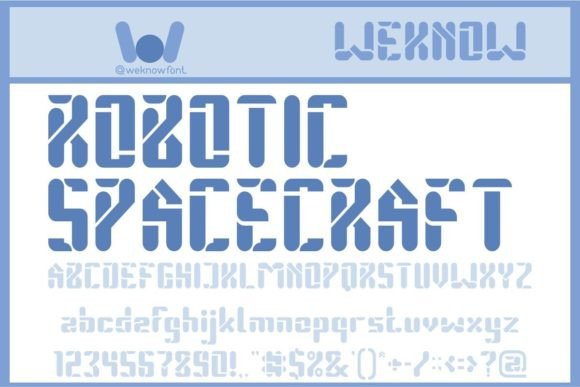
At its core, Robotic Spacecraft is designed to capture the imagination. It draws inspiration from the sleek lines of spacecraft, the intricate details of robotic engineering, and the vast, mysterious allure of outer space. The font's structure is characterized by sharp angles, geometric precision, and a dynamic flow that mimics the aerodynamic shapes found in aerospace design. These elements combine to create a visual language that feels inherently modern and forward-thinking.
Unlike traditional serif or sans-serif fonts that prioritize readability for long-form text, Robotic Spacecraft is a display font. This means it is optimized for impact at larger sizes, making it ideal for headlines, titles, and short phrases where visual flair is paramount. Its "cosmic vibe" is achieved through subtle stylistic nuances—perhaps a slight tilt to suggest speed, or open counters that evoke the void of space. These features allow the font to communicate complex ideas about the future instantly, without the need for additional imagery.
For professionals seeking to establish a brand identity rooted in innovation, this font offers a distinctive mark. It signals to the audience that the entity behind the design is not afraid to push boundaries or explore new frontiers. In a crowded marketplace, such a clear visual statement can be the difference between blending in and standing out.
Key Features and Design Characteristics
To fully appreciate the utility of Robotic Spacecraft, it is helpful to examine its specific design attributes. These features contribute to its versatility and effectiveness across various mediums:
- Geometric Precision: The letters are constructed with mathematical accuracy, reflecting the engineering excellence associated with robotics and space travel. This gives the text a clean, structured appearance that feels reliable and sophisticated.
- Dynamic Angles: Sharp edges and diagonal strokes inject a sense of motion and energy into static text. This makes the font particularly effective for brands that want to appear active, fast-paced, or revolutionary.
- High Contrast: The interplay between thick and thin strokes creates a striking visual contrast, ensuring that the text remains legible and impactful even when viewed from a distance or on small screens.
- Futuristic Aesthetics: The overall look is undeniably sci-fi, yet it avoids clichés. It strikes a balance between being otherworldly and grounded enough for corporate use, making it suitable for both entertainment and serious technological sectors.
These characteristics make Robotic Spacecraft more than just a decorative element; they form the foundation of a cohesive visual strategy. When used correctly, the font becomes an integral part of the narrative, reinforcing the message of progress and discovery.
Ideal Applications Across Industries
The versatility of Robotic Spacecraft extends far beyond a single industry. Its ability to bridge the gap between artistic expression and functional design allows it to thrive in numerous contexts. Here are some of the most compelling ways to utilize this typeface:
Corporate Branding and Logos
For businesses operating in the technology, aerospace, or renewable energy sectors, a logo needs to reflect cutting-edge capabilities. Robotic Spacecraft provides the perfect backdrop for such identities. Its strong, confident letterforms convey stability and vision, while its futuristic style suggests that the company is leading the charge into tomorrow. Startups looking to disrupt their industries often find that this font helps them articulate their mission visually.
Entertainment and Media
In the worlds of music, movies, and gaming, visual storytelling is everything. Album covers, movie posters, and game title screens require typography that grabs attention immediately. The cosmic vibe of Robotic Spacecraft makes it a natural fit for science fiction projects, electronic music albums, and immersive virtual reality experiences. It sets the tone before a single note is played or a scene is shown, immersing the audience in a specific atmosphere.
Digital Content and Social Media
The digital realm, including platforms like Instagram, YouTube, and personal websites, demands content that stops the scroll. Captivating headlines and catchy logotypes created with Robotic Spacecraft can transform ordinary posts into engaging visual statements. Whether it is a thumbnail for a tech review video or a banner for a blog post about artificial intelligence, this font ensures that the content looks polished and professional.
Apparel and Merchandise
Cutting-edge apparel designs often rely on bold typography to make a fashion statement. T-shirts, hoodies, and accessories featuring Robotic Spacecraft appeal to consumers who identify with geek culture, futurism, or a love for all things space-related. The font's unique shape translates well onto fabric, maintaining its integrity and impact regardless of the garment's texture or color.
Evaluating Suitability and Practical Considerations
While Robotic Spacecraft offers immense creative potential, it is essential to approach its use with a strategic mindset. Not every project requires a futuristic display font, and using it inappropriately can dilute its impact or confuse the audience. Here are some factors to consider when evaluating its suitability for your next project:
- Readability vs. Style: As a display font, Robotic Spacecraft is best suited for short bursts of text. Using it for body copy in a magazine article or a long website paragraph can strain the reader's eyes and reduce comprehension. Always pair it with a clean, neutral sans-serif font for longer passages to ensure accessibility.
- Brand Alignment: Does the futuristic aesthetic align with your brand values? If your business relies on tradition, warmth, or organic simplicity, this font might feel out of place. However, if innovation and technology are central to your identity, it will likely enhance your message.
- Audience Expectations: Consider who will be viewing your design. Tech enthusiasts and younger demographics may respond positively to the sci-fi elements, whereas more conservative audiences might prefer a subtler approach. Understanding your target demographic is crucial for maximizing engagement.
- Contextual Balance: The font is powerful, so it should be given room to breathe. Avoid overcrowding the design with too many competing elements. Let Robotic Spacecraft be the focal point, supported by ample white space and complementary graphics.
Furthermore, it is important to recognize the limitations of any specialized typeface. While Robotic Spacecraft excels in creating a distinctive mark, it may not be the right choice for every headline. Sometimes, a simpler font conveys authority more effectively. The key lies in knowing when to deploy this tool and when to hold back.
Real-World Scenarios and Creative Inspiration
To illustrate the practical value of Robotic Spacecraft, imagine a few real-world scenarios where it could transform a project:
Consider a mobile app developer launching a new navigation system powered by AI. The app needs a name and a logo that scream "smart" and "future." By using Robotic Spacecraft for the app icon and splash screen, the developer instantly communicates the advanced nature of the technology. Users expect a seamless, high-tech experience before they even download the app.
Or picture a local band releasing an album inspired by the mysteries of the universe. Their poster needs to stand out in a sea of generic designs. With Robotic Spacecraft serving as the main title treatment, the poster captures the ethereal and mechanical themes of the music, drawing fans in with its visual intrigue.
Even in the realm of education, a science museum planning an exhibit on Mars exploration could use this font for signage and promotional materials. It would help create an immersive environment that transports visitors to the red planet, making the learning experience more memorable and exciting.
Conclusion: Embracing the Universe of Creativity
The Robotic Spacecraft font represents more than just a collection of characters; it is a gateway to exploring the cosmos of creativity. Its futuristic techno sci-fi design exudes high-end technology and innovativeness, making it an invaluable asset for anyone looking to leave a lasting impression. From logos and corporate branding to captivating headlines and digital content, its modern and cosmic vibe adapts seamlessly to a wide array of needs.
By understanding its strengths, limitations, and appropriate applications, creators and business owners can harness the power of this typeface to elevate their projects. Whether you are designing for the big screen, the small screen, or the printed page, Robotic Spacecraft offers a distinctive mark of the modern universe. Dive in, experiment with its unique forms, and make your designs a true space of creativity where imagination meets execution. In a world that is constantly moving forward, having a visual language that speaks to the future is not just an option—it is a necessity.