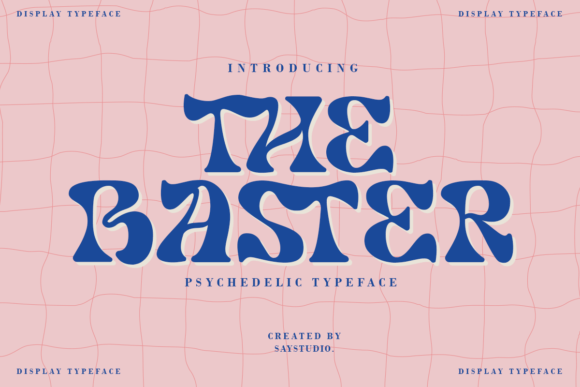
The Baster and The Baster Display: A Gateway to Psychedelic Retro Typography
In the vast landscape of digital design, few elements possess the power to instantly transport an audience back in time quite like a well-chosen typeface. The Baster and its display counterpart, The Baster Display, are not merely fonts; they are visual time machines. These contemporary creations capture the chaotic energy and mesmerizing beauty of the psychedelic revolution, offering designers a unique tool to infuse their projects with authentic nostalgia. Whether you are a graphic designer crafting a concert poster or a marketer looking to evoke a specific era, understanding the nuances of this font family is essential for leveraging its full potential.
Understanding the Essence of The Baster Family
To truly appreciate The Baster, one must first understand the context from which it draws inspiration. The term "psychedelic retro" refers to the aesthetic movement that peaked in the mid-to-late 1960s, characterized by vibrant colors, fluid shapes, and a rejection of rigid geometric structures. This was an era of artistic experimentation where typography became as much about emotion and movement as it did about legibility.
The Baster embodies this spirit through its distinctive swirls and curves. Unlike traditional serif or sans-serif fonts that prioritize strict alignment and uniformity, The Baster embraces organic flow. Its letters twist and turn, mimicking the fluidity of liquid light or the swirling patterns seen in classic album covers from the counterculture movement. This intentional deviation from the norm is what gives the font its signature character, making it immediately recognizable and emotionally resonant.
The Distinction Between The Baster and The Baster Display
While both fonts share the same DNA, they serve different purposes within a design hierarchy. Understanding when to use each is crucial for effective communication.
- The Baster (Regular): Designed primarily for body text and longer passages, this version maintains a balance between style and readability. While it retains the whimsical curves of its predecessor, the letterforms are slightly more condensed and open, ensuring that readers can follow sentences without strain. It is ideal for blog posts, magazine articles, or website copy where a retro vibe is desired but comprehension cannot be sacrificed.
- The Baster Display: As the name suggests, this variant is built for impact. With exaggerated curves, tighter kerning, and bolder strokes, it is intended for headlines, logos, posters, and short phrases. The Display version pushes the psychedelic aesthetic to its limit, creating a visual statement that demands attention. It is less about reading speed and more about immediate visual engagement.
The Psychology of Nostalgia in Modern Design
Why do we return to the past? In the fast-paced, often sterile world of modern technology, there is a profound human desire for connection and warmth. The retro era represents a time perceived as more colorful, rebellious, and creatively unbound. By incorporating The Baster into contemporary projects, designers tap into this collective memory.
This phenomenon is known as "nostalgic marketing." When consumers see the familiar swirls of a 1960s-inspired font, they subconsciously associate the brand or product with the positive emotions of that time: freedom, creativity, and community. However, it is important to note that The Baster is not a direct copy of historical artifacts. Instead, it is a contemporary interpretation. It uses modern vector technology to ensure crisp rendering on high-resolution screens while maintaining the hand-drawn feel of the original era.
Bridging the Gap Between Eras
The true genius of The Baster lies in its ability to bridge the gap between the analog past and the digital present. It allows brands to feel established and rooted in history while remaining relevant in today's digital ecosystem. For instance, a tech startup might use The Baster Display for its logo to suggest innovation and thinking outside the box, effectively subverting the typical "clean and cold" aesthetic of the tech industry.
Similarly, in the education sector, teachers and content creators can use this font to make historical lessons about the 1960s more engaging. A presentation slide featuring The Baster can instantly set the mood, helping students visualize the cultural shift of the time more vividly than plain text ever could.
Practical Applications in Business and Creativity
The versatility of The Baster extends far beyond simple decoration. It has practical applications across various industries, provided it is used with intention and strategic foresight.
Branding and Identity
For businesses aiming to stand out in a crowded marketplace, a unique typographic voice is invaluable. The Baster Display is particularly effective for:
- Musicians and Bands: Album covers, tour posters, and merchandise benefit immensely from the font's rhythmic flow.
- Craft Beverages: Artisanal coffee shops, craft breweries, and cocktail bars often use retro aesthetics to signal quality and tradition.
- Fashion Labels: Streetwear brands frequently leverage psychedelic typography to convey a sense of youth culture and rebellion.
Digital Media and Web Design
In the realm of web design, The Baster offers a way to break the monotony of standard UI fonts. While it should generally be avoided for long blocks of navigation text due to its stylistic complexity, it shines as a hero section headline or a call-to-action button. The key is contrast: pairing the fluid curves of The Baster with a clean, neutral sans-serif font for body text creates a dynamic visual rhythm that guides the user's eye naturally.
Print and Packaging
On physical products, the tactile nature of print enhances the font's appeal. The swirls of The Baster interact beautifully with texture, embossing, and foil stamping. A packaging design for a natural food product using this font can suggest organic origins and a "back to basics" philosophy, aligning perfectly with current consumer trends toward sustainability and authenticity.
Common Misunderstandings and Best Practices
Despite its popularity, The Baster is often misunderstood or misused. One common assumption is that because it is "retro," it automatically looks old-fashioned or outdated. In reality, when paired correctly, it feels fresh and modern. The mistake lies in overusing it or combining it with other overly busy elements, which can result in visual chaos rather than a cohesive design.
Legibility vs. Style: A frequent pitfall is prioritizing style over readability. While The Baster Display is stunning, it should rarely be used for paragraphs of text. If a reader struggles to decipher your message, the design has failed its primary purpose. Always test your designs at various sizes to ensure the intricate details of the font remain clear.
Color Harmony: Another area where designers often stumble is color selection. The psychedelic era is famous for neon pinks, electric blues, and acid greens. However, simply applying these colors to The Baster does not guarantee a good result. It is often more effective to use the font in bold black or white against a textured background, letting the shape of the letters speak for themselves before introducing vibrant accents.
Technical Considerations
From a technical standpoint, it is vital to ensure that the font files are optimized for the intended medium. Web versions of The Baster should be loaded efficiently to prevent slow page speeds, which can negatively impact user experience and SEO rankings. Additionally, when printing, designers must account for how the thin lines and tight curves of the font will reproduce on different paper stocks. High-quality print requires careful attention to ink coverage to prevent the delicate swirls from bleeding together.
Conclusion: Embracing the Swirl
The Baster and The Baster Display represent more than just a collection of characters; they are a celebration of creativity, history, and the enduring power of visual storytelling. By mastering the use of these fonts, designers and creators can add depth, emotion, and a touch of magic to their work. Whether you are launching a new brand, designing a website, or simply exploring the art of typography, embracing the mesmerizing swirls of The Baster can transform ordinary projects into extraordinary experiences.
As we move further into a digital future, the need for authentic, human-centric design grows stronger. Fonts like The Baster remind us that even in a world of pixels and algorithms, there is still room for the whimsical, the nostalgic, and the beautifully imperfect. By understanding its purpose and applying it with care, you can harness the essence of the retro era to create something entirely new and compelling for today's audience.