Rainbow Coloring: A Vibrant Handwritten Font for Creative Projects
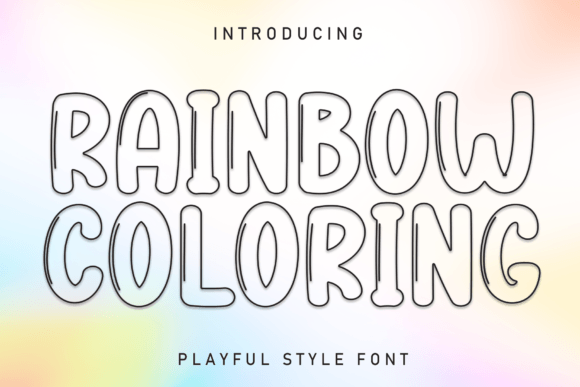
When you need a typeface that feels like it was sketched by hand with genuine enthusiasm, Rainbow Coloring steps in as a standout choice. It is not just another decorative font; it is a sweet and friendly handwritten style that brings an immediate sense of warmth and approachability to any design. The natural flow of its strokes mimics the organic movement of a pen on paper, making it incredibly fitting for a large pool of designs where personality matters more than rigid structure. Whether you are crafting a logo for a local bakery or designing a birthday invitation, this font offers a unique style that breaks away from the sterile feel of standard sans-serifs.
The Personality Behind the Pixels
At its core, Rainbow Coloring is designed to evoke emotion. In a digital landscape often dominated by clean lines and geometric precision, this font reintroduces the human element. The slight irregularities in letter height and the playful curves are intentional, creating a rhythm that feels alive. This makes it particularly effective when the goal is to connect with an audience on a personal level. It whispers rather than shouts, inviting the viewer to pause and engage with the content in a relaxed manner.
Consider the difference between a corporate report and a children's book cover. The former demands clarity and authority, while the latter requires whimsy and charm. Rainbow Coloring excels in the latter category but has found surprising success in the former when used sparingly for headlines or pull quotes. Its versatility lies in its ability to soften harsh messages and add a touch of levity to serious topics without undermining their importance.
Real-World Applications Across Industries
The true value of a font like Rainbow Coloring becomes apparent when applied to real-world scenarios. It is not confined to a single niche but rather adapts to various industries where creativity and friendliness are paramount.
Educational Materials and Children's Products
One of the most natural homes for this typeface is in the education sector. Teachers and curriculum designers often struggle to make worksheets and flashcards engaging for young learners. Using Rainbow Coloring for headers or key terms can transform a dry lesson plan into an exciting discovery. For parents creating personalized learning materials at home, this font adds a layer of care and effort that printed text simply cannot replicate. It signals to the child that the material is fun and accessible, reducing anxiety around learning new concepts.
Lifestyle Branding and Small Business
Small business owners, particularly those in the lifestyle, wellness, and artisanal sectors, benefit immensely from this font. Imagine a coffee shop menu written in Rainbow Coloring; it immediately suggests a cozy, welcoming atmosphere where the barista knows your name. Similarly, handmade soap brands, boutique clothing lines, and local craft fairs use this style to emphasize the "made by humans" aspect of their products. It aligns perfectly with the "slow living" movement, suggesting that the brand values quality and connection over mass production.
Event Planning and Personal Stationery
In the realm of events, first impressions are everything. Wedding invitations, baby shower cards, and birthday party decorations rely heavily on typography to set the tone. Rainbow Coloring is ideal for these occasions because it feels celebratory yet intimate. It works beautifully for names, dates, and short phrases where legibility is secondary to aesthetic impact. Couples planning rustic or bohemian weddings often choose this font to match their floral arrangements and natural decor, creating a cohesive visual narrative.
Who Benefits Most From This Style?
Different users interact with Rainbow Coloring in unique ways, leveraging its strengths to solve specific design challenges.
- Graphic Designers: Professionals use this font to break the monotony of client projects. When a layout feels too corporate, swapping a headline for Rainbow Coloring can instantly inject character and differentiate the brand from competitors.
- Social Media Managers: Content creators know that stopping the scroll requires visual variety. Overlaying this font on Instagram stories or Pinterest pins creates a DIY aesthetic that resonates with audiences seeking authenticity. It feels less like an advertisement and more like a recommendation from a friend.
- Hobbyists and Crafters: Individuals using Cricut machines or vinyl cutters find this font essential for customizing t-shirts, mugs, and home decor. The rounded edges and friendly vibe translate well into physical crafts, ensuring the final product looks polished even if the creator isn't a professional artist.
- Bloggers and Content Creators: Writers who focus on parenting, travel, or food often use this font for blog post titles or newsletter headers. It establishes a conversational tone right from the start, encouraging readers to stay engaged with the story.
Practical Considerations Before You Choose
While Rainbow Coloring is undeniably charming, it is important to approach its use with intention. Like any tool, it has strengths and limitations that must be weighed against your specific project goals.
Legibility and Scale
The primary consideration when working with any handwritten font is readability. Because Rainbow Coloring features connected strokes and varying line weights, it can become difficult to read at very small sizes. It is best reserved for headlines, logos, and short captions. Avoid using it for body text in long-form documents or legal disclaimers, where clarity is non-negotiable. If you need to use it for longer passages, ensure there is ample spacing between letters and lines to prevent visual clutter.
Contextual Harmony
The font's sweet nature means it may clash with overly aggressive or high-tech themes. Pairing it with images of heavy machinery or financial data might send mixed signals to your audience. Instead, look for complementary elements such as soft color palettes, watercolor textures, or natural imagery. The goal is to create a harmonious composition where the font enhances the message rather than distracting from it.
Licensing and Usage Rights
Before integrating Rainbow Coloring into a commercial project, always verify the licensing terms. Some versions may be free for personal use but require a paid license for commercial applications. Understanding these distinctions protects you from potential legal issues and ensures you are respecting the work of the designer who created the typeface.
Maximizing Impact Through Pairing
To get the most out of this unique style, consider how it interacts with other fonts. A classic design strategy involves pairing a display font like Rainbow Coloring with a clean, neutral sans-serif or serif font. This contrast allows the handwritten style to shine as the focal point while maintaining overall readability. For example, use Rainbow Coloring for the main title and a simple font like Helvetica or Open Sans for the supporting text. This balance ensures that your design remains professional while still retaining its creative flair.
Ultimately, the only limit is your imagination. Whether you are rebranding a startup, designing a classroom poster, or simply adding a personal touch to a greeting card, Rainbow Coloring offers a versatile solution that bridges the gap between digital efficiency and human warmth. By understanding its nuances and applying it thoughtfully, you can create designs that not only look good but also feel good to experience.