Origami: Elevating Digital Design with Timeless Handwritten Elegance
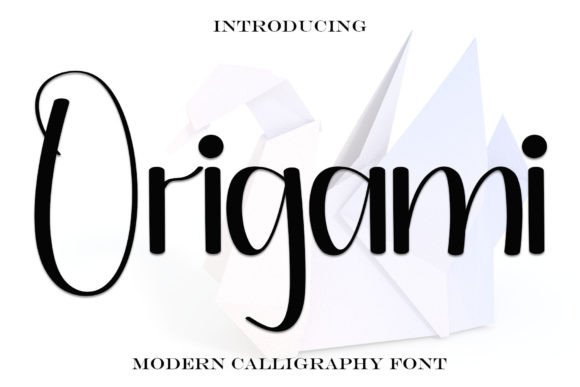
In the rapidly evolving landscape of digital communication, the quest for authenticity has never been more urgent. As screens saturate our daily lives, audiences are increasingly craving a connection that feels human, tangible, and personal. This shift in consumer psychology has driven a significant trend in graphic design and branding: the resurgence of organic typography. At the forefront of this movement is Origami, a trendy handwritten font with a contemporary atmosphere and impeccable form, inspired by timeless classic calligraphy. It represents more than just a typeface; it is a strategic tool for professionals seeking to inject elegance and class into their design projects.
The Philosophy Behind Origami: Where Tradition Meets Modernity
To understand why Origami resonates so deeply with modern creators, one must first appreciate its foundational philosophy. Unlike rigid, geometric sans-serifs that dominate the tech sector, or overly decorative scripts that can feel kitschy, Origami strikes a delicate balance. It is rooted in the discipline of classic calligraphy, where every stroke was once dictated by the hand of a master scribe. However, it has been meticulously refined to suit the demands of the digital age.
The font's name itself suggests a duality: the art of folding paper implies structure, precision, and transformation, while the visual output mimics the fluidity of ink on parchment. This combination creates a "contemporary atmosphere" that feels both fresh and familiar. For designers and entrepreneurs, Origami offers a solution to a common dilemma: how to maintain brand authority while appearing approachable and creative. Its impeccable form ensures readability across various media, from high-resolution billboards to mobile app interfaces, proving that handwritten aesthetics do not have to sacrifice legibility.
Why Authenticity is the New Currency in Branding
The rise of fonts like Origami is not an isolated aesthetic choice; it is a direct response to broader market trends. In recent years, the "corporate minimalist" look has begun to fatigue audiences. Consumers are becoming more sophisticated, capable of distinguishing between mass-produced templates and bespoke, thoughtful design. They value transparency and personality in the brands they support.
This changing preference has forced marketers and business leaders to rethink their visual identities. A brand that speaks with a unique voice needs a visual counterpart that reflects that individuality. Origami serves as that voice. By utilizing a font that mimics the human hand, businesses signal that there is a real person behind the logo, the email signature, or the product packaging. This subtle cue builds trust. When a customer sees a headline set in Origami, they subconsciously associate the brand with craftsmanship, care, and attention to detail—qualities that are highly prized in today's experience economy.
Strategic Applications Across Industries
The versatility of Origami makes it an invaluable asset for a wide range of professionals, from freelancers to enterprise marketing teams. Its ability to convey elegance without pretension allows it to fit seamlessly into diverse workflows and project requirements.
- Lifestyle and Wellness Brands: In sectors focused on mindfulness, yoga, and organic products, the handwritten nature of Origami reinforces values of natural living and personal growth. It softens the message, making it feel like advice from a friend rather than a sales pitch.
- Creative Portfolios and Freelancing: For designers, writers, and consultants, a personal brand is paramount. Using Origami in portfolio headers or proposal documents distinguishes the creator from the competition, suggesting a bespoke service tailored to the client's specific needs.
- Wedding and Event Planning: The event industry relies heavily on emotion and atmosphere. Origami brings a sense of celebration and sophistication to invitations and signage, bridging the gap between traditional etiquette and modern style.
- Tech Startups Seeking Warmth: Even in the technology sector, there is a growing need to humanize complex products. Startups are increasingly using script fonts like Origami for logos or accent text to make their innovations feel accessible and user-friendly.
Integrating Origami into Modern Workflows
Adopting a new typeface requires more than just downloading a file; it involves integrating it into a cohesive design system. The beauty of Origami lies in its adaptability. Because it possesses a contemporary atmosphere, it pairs exceptionally well with clean, geometric sans-serifs. This contrast creates a dynamic visual hierarchy that guides the reader's eye effectively.
Consider a marketing campaign for a luxury skincare line. The body copy might be set in a crisp, neutral sans-serif for maximum readability, while the tagline and key benefits are highlighted in Origami. This juxtaposition draws immediate attention to the most important messages while maintaining a professional layout. Furthermore, the font's impeccable form ensures that it scales beautifully, remaining distinct whether viewed on a desktop monitor or a smartphone screen. This responsiveness is critical in an era where mobile traffic often exceeds desktop usage.
The Psychology of Script Typography in Consumer Behavior
Why are people paying such close attention to fonts like Origami? The answer lies in the psychology of perception. Research in neuromarketing suggests that handwriting triggers a different cognitive response than printed text. It activates areas of the brain associated with empathy and social interaction. When consumers encounter a handwritten font, they perceive the message as more intimate and trustworthy.
This psychological effect is particularly potent in an era of artificial intelligence and automation. As algorithms generate content at scale, the human touch becomes a premium differentiator. Origami capitalizes on this scarcity. By choosing a font that evokes the act of writing, brands can cut through the noise of automated messaging and establish a genuine emotional connection. It signals that the brand values quality over quantity and relationship over transaction.
Moreover, the "timeless classic calligraphy" inspiration behind the font taps into a desire for permanence. In a fast-paced world where trends come and go, there is a comforting allure in styles that reference history and tradition. Origami offers this stability while remaining firmly planted in the present. It tells the audience that the brand is forward-thinking but grounded in enduring values.
Navigating the Future of Digital Typography
As we look toward the future of design, the lines between digital and physical experiences will continue to blur. Augmented reality, interactive web design, and immersive storytelling will require typefaces that can carry emotional weight without overwhelming the user. Origami is well-positioned to meet these challenges. Its elegant structure allows it to function effectively in motion graphics and animated sequences, adding a layer of sophistication to dynamic content.
For professionals and entrepreneurs, the decision to incorporate Origami into their toolkit is a statement of intent. It declares a commitment to quality, a respect for the audience's intelligence, and a willingness to embrace the human element in digital spaces. As the market continues to evolve, those who can blend technological efficiency with artistic expression will lead the way.
Practical Steps for Implementation
If you are considering integrating Origami into your next project, start by evaluating your brand's core values. Does your message benefit from a touch of warmth and personality? If so, experiment with pairing the font against ample white space to let its forms breathe. Avoid overcrowding the design; the elegance of Origami shines brightest when given room to express itself.
Furthermore, consider the context of use. While it excels in headlines, invitations, and short-form copy, ensure that it remains legible in smaller sizes or long paragraphs. The goal is to enhance the communication, not obscure it. By thoughtfully applying Origami, you can transform standard design projects into memorable experiences that resonate with your audience on a deeper level.
Ultimately, the success of Origami is a testament to the enduring power of good design. It proves that even in a digital-first world, the principles of classic calligraphy remain relevant. For creators, marketers, and business leaders looking to add elegance and class to their work, this font offers a powerful means to tell their story with clarity, style, and a distinctly human touch.