Number Two: The Playful Pencil-Style Font
In the crowded landscape of digital typography, where sleek sans-serifs and rigid serifs dominate corporate communications, there is a distinct charm in returning to the tactile. Number Two captures this essence perfectly. It is not merely a typeface; it is a visual reminder of the creative process itself. Designed to mimic the look of letters written on a standard yellow pencil, this font brings a sense of nostalgia, approachability, and unpolished creativity to any project. For professionals looking to break the ice with their audience or educators aiming to make learning feel less like a lecture and more like a workshop, Number Two offers a unique stylistic solution.
The Anatomy of a Digital Pencil
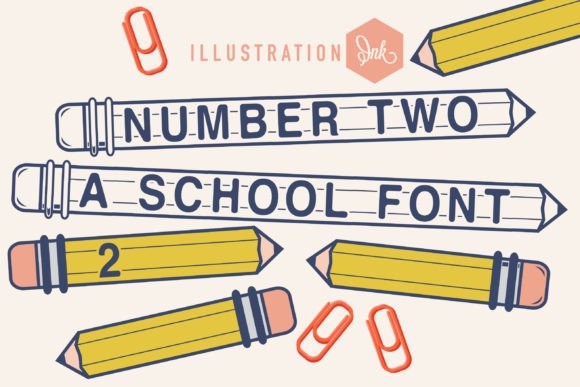
What sets Number Two apart from other "handwritten" fonts is its specific attention to the physical object it emulates. Most script fonts attempt to replicate the flow of ink or marker, but Number Two focuses on the texture and imperfections of graphite on paper. The strokes vary in weight, mimicking the pressure changes of a hand holding a writing instrument. You can see the slight graininess that occurs when a pencil tip drags across textured paper, adding an organic quality that feels authentic rather than digitally manufactured.
The design goes beyond simple stroke variation. A defining characteristic of this typeface is the inclusion of the pencil's structural elements directly within the letterforms. By using brackets to represent the pencil tip and the eraser, the font creates a playful narrative within the text itself. This isn't just about the shape of the letters; it is about the context of the tool used to create them. Furthermore, the use of the underscore character to simulate blank pencil areas allows for dynamic spacing and visual rhythm. When you type an underscore, it doesn't just add space; it leaves a deliberate gap that looks like the unsharpened wood of the pencil, inviting the reader to fill in the mental blanks.
Why Imperfection Matters in Design
In an era of high-definition screens and pixel-perfect layouts, perfection can sometimes feel cold or distant. Number Two leverages the concept of "wabi-sabi"—the appreciation of beauty that is imperfect, impermanent, and incomplete. For brands and creators, this aesthetic signals authenticity. It suggests that the message was crafted by a human being, complete with their quirks and thought processes, rather than generated by a sterile algorithm. This psychological cue is powerful. It lowers the barrier to entry for the reader, making complex information feel more digestible and personal interactions feel warmer.
The utility of such a font extends into the realm of user experience (UX). In interfaces where users might feel overwhelmed by data or technical jargon, introducing a font like Number Two can act as a visual softener. It tells the user, "It's okay to make mistakes here," or "This is a space for brainstorming." Whether it is a note-taking app, a collaborative whiteboard tool, or a landing page for a creative agency, the font sets the tone immediately.
Practical Applications Across Industries
The versatility of Number Two makes it suitable for a wide array of professional and personal environments. Its application ranges from casual social media graphics to structured educational materials.
- Educational Materials: Teachers and instructional designers can use Number Two to create worksheets, flashcards, and presentation slides that feel less intimidating to students. The pencil aesthetic aligns naturally with the school environment, reinforcing the idea of active learning and practice.
- Creative Branding: Startups and freelancers often need to convey innovation and agility. Using this font in logos, business cards, or website headers can differentiate a brand from competitors who rely on traditional, stiff typography. It signals a company that values ideas over bureaucracy.
- Marketing Campaigns: Advertisements that aim to be relatable or humorous benefit from this style. Think of a campaign encouraging people to sketch out their dreams or write down their goals. The font becomes part of the call to action, visually prompting the user to grab a pen.
- Digital Note-Taking Apps: Developers building productivity tools can integrate Number Two as a default option for users who want their digital notes to feel handwritten without the friction of drawing every letter manually.
Strategic Implementation and Best Practices
While Number Two is undeniably charming, it requires strategic implementation to maintain readability and professionalism. Like any display or decorative font, it should not be used for large blocks of body text. The irregularities in the letter shapes and the intentional "grain" can cause eye strain if read for extended periods. Instead, reserve it for headlines, pull quotes, captions, and short calls to action.
When integrating the font into a design system, consider how the bracketed tips and erasers interact with your layout. If the text is too small, these details may become indistinct blobs. Ensure that the size is sufficient for the unique features of the font to shine through. Additionally, the use of underscores to create blank spaces is a powerful tool for emphasis, but overuse can lead to a disjointed reading experience. Use these gaps intentionally to break up phrases or highlight key concepts, rather than as a substitute for standard kerning.
Pairing Number Two with a clean, neutral sans-serif font is often the most effective strategy. The contrast between the rough, organic pencil strokes and the smooth, geometric lines of a modern sans-serif creates a balanced visual hierarchy. The boldness of the pencil font draws the eye, while the supporting text ensures the message is conveyed clearly. This combination respects the reader's need for clarity while still delivering the emotional impact of the creative aesthetic.
Evaluating Suitability for Your Project
Before committing to Number Two for a major project, ask yourself what story you are trying to tell. Does your brand value structure and authority above all else? If so, this font might undermine that message. However, if your goal is to foster connection, encourage creativity, or soften a complex topic, then this typeface is an excellent asset. It is particularly well-suited for audiences aged 20 to 50 who appreciate design trends that blend retro aesthetics with modern functionality.
Consider the medium as well. On mobile devices, where screen real estate is limited, the playful nature of the font can make content feel friendlier and more engaging. In print, the texture of the font can complement high-quality paper stocks, enhancing the tactile experience of the piece. Ultimately, the decision to use Number Two should come down to the desired emotional response from your audience. If you want them to smile, nod in recognition, and feel invited to participate, this font delivers exactly that.
By embracing the playful characteristics of Number Two, you are not just choosing a font; you are choosing a perspective. You are acknowledging that the best ideas often start as rough sketches on a scrap of paper. In a digital world that constantly pushes for polish, there is immense value in reminding your audience that it is okay to be in the process of creation. That is the true power of a font designed to look like it was written on a pencil.